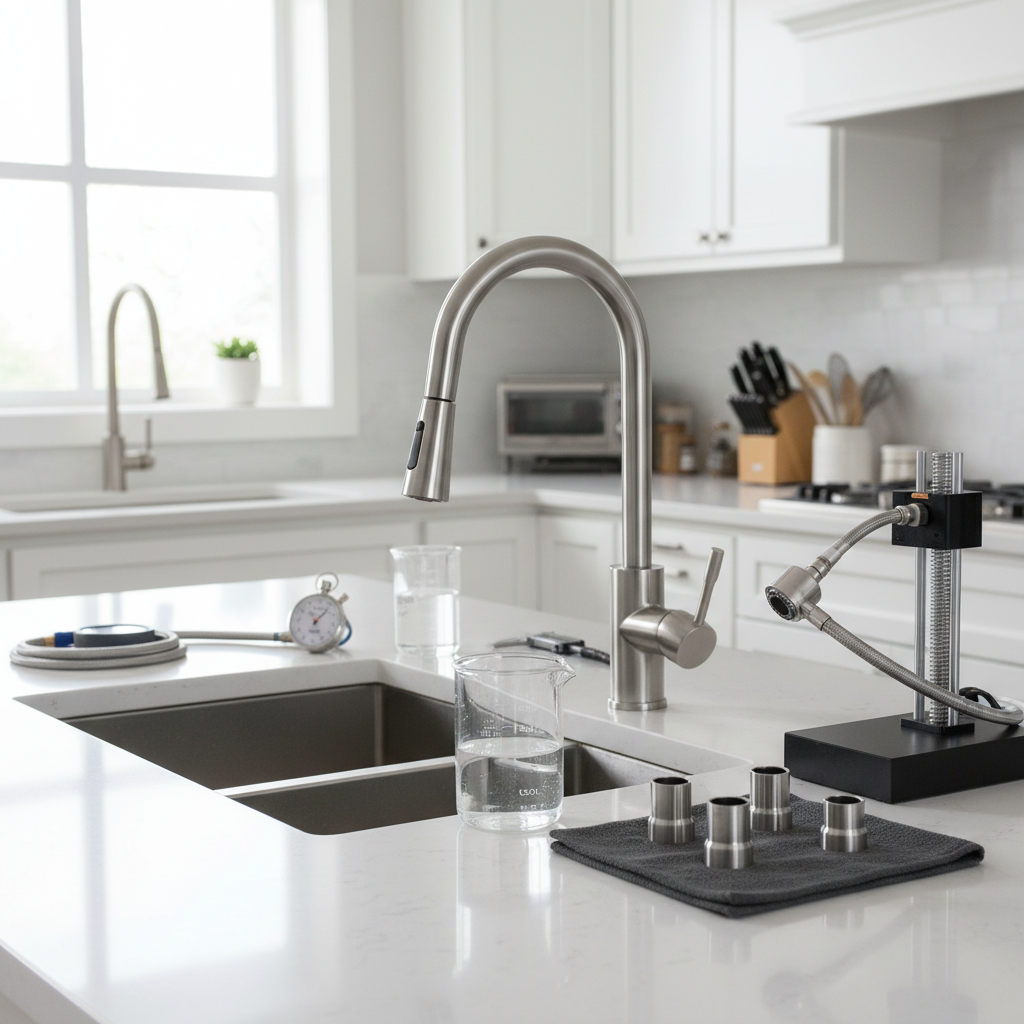
Choosing the perfect kitchen faucet can feel like a daunting task, especially with the myriad of options available today. Among the most popular styles are pull-out and pull-down faucets, both celebrated for their convenience and modern aesthetics. But beyond their visual appeal and flexible spray heads, a crucial question often emerges for homeowners: which one delivers more water pressure? Understanding the nuances of each design, particularly how they handle water flow, is key to making an informed decision that elevates your kitchen experience. This article will delve into the distinct characteristics of pull-out and pull-down faucets, dissecting their impact on water pressure and guiding you toward the ideal choice for your culinary space.
Understanding Pull-Out and Pull-Down Faucets
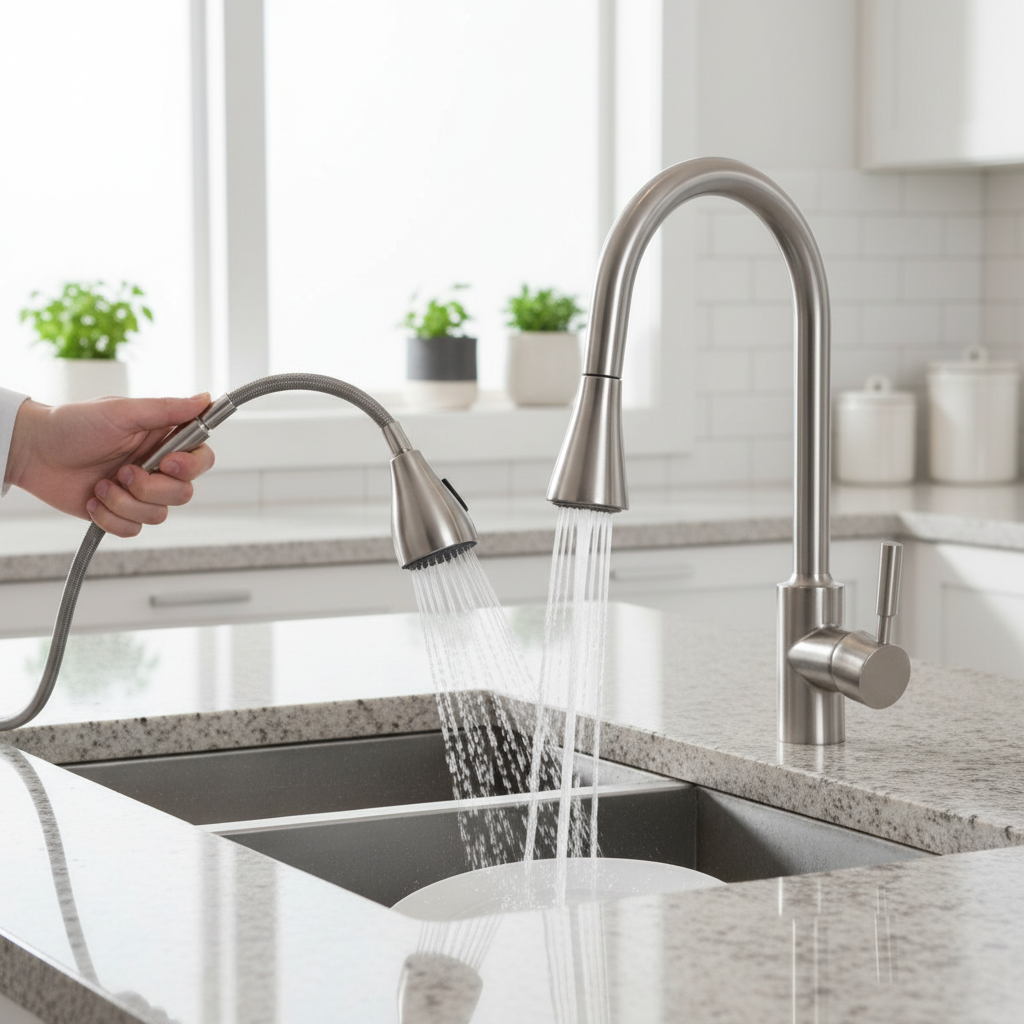
Before we tackle the pressure debate, let’s clarify what defines each type of faucet. Both designs integrate a sprayer into the main faucet body, eliminating the need for a separate side sprayer and offering enhanced functionality.
What are Pull-Out Faucets?
|
Our Picks for the Best High pressure faucet in 2026
As an Amazon Associate I earn from qualifying purchases.
|
||
| Num | Product | Action |
|---|---|---|
| 1 | TIORIY Kitchen Faucet Head with 15 Adapters, High Pressure 3 Functions Pull Down Kitchen Spray Head Replacement, Pull Out Kitchen Sink Sprayer Nozzle, Brushed Gold, ABS |

|
| 2 | FORIOUS Kitchen Faucets with Pull Down Sprayer, Brushed Nickel, High Arc Single Handle Classic Stainless Steel Sink Faucet 1 or 3 Hole, Suitable for Farmhouse Camper Laundry Rv Bar |
|
| 3 | GIMILI Kitchen Faucet with Pull Down Sprayer Single Handle High Pressure Kitchen Sink Faucet Commercial Double-Headed Stainless Steel Kitchen Faucets Brushed Nickel and Black |
|
| 4 | Chrome Brass Wall Mount Faucet, Single Cold Water Utility Tap, G 1/2 Inch Connection for Laundry Sink, Mop Basin, Garage, Outdoor Garden Hose |
|
| 5 | 3-Adjustable Water Pressure Faucet with Booster Shower Heads - ABS Material, Extended Spout, Anti-Splash, Universal Connector |
|
| 6 | Kitchen Faucet with Pull Down Sprayer, High Arc Single Handle Brushed Nickel Stainless Steel 1 or 3 Hole Faucet for Kitchen Sink, Farmhouse, RV, Laundry, Bar, Outdoor |
|
| 7 | Inchant Outdoor Kitchen Sink Faucet - 360° Rotatable Single Hole Single Handle Cold Water Kitchen Faucet Flexible Neck Laundry Room Tap Bar Garden Outdoor Faucet, Deck Mount Chrome Finish |
|
| 8 | 2PCS 360 Degree Swivel Faucet Aerator Deluxe Water Saving Faucet Sprayer Water Saving Bubbler Pressurized Faucet Filter Kitchen Accessories (360 Degree, Count, 2) |
|
| 9 | AIMADI Kitchen Faucet with Pull Down Sprayer,Commercial Stainless Steel Pull Down Sprayer Kitchen Faucet Single Hole Single Handle RV Laundry Outdoor Kitchen Sink Faucets |
|
| 10 | TMOK 1/2" x 3/4" Brass Outdoor Faucet & High Pressure Jet Nozzle with Leakproof Shut Off Valve, Heavy-Duty Brass 3/4" GHT Hose Nozzle with 4 Garden Hose Rubber Washers, Teflon Tape |
|
Pull-out faucets are recognized by their typically shorter, lower-profile spout. The spray head detaches from the main body and pulls outward horizontally, often featuring a longer hose that allows for extensive reach. This design is particularly adept at maneuvering around the sink basin and even reaching pots on the adjacent countertop. Their compact nature makes them a popular choice for smaller kitchens or those with limited clearance above the sink.
What are Pull-Down Faucets?
In contrast, pull-down faucets feature a high-arc, gooseneck-style spout from which the spray head pulls downward vertically into the sink. This towering design provides ample space beneath the spout, making it ideal for filling large pots and cleaning deep sinks. The vertical motion is often praised for its ergonomic ease, as it works naturally with gravity.
The Pressure Point: Which Faucet Delivers More?
When it comes to water pressure, the answer isn’t always straightforward, as both pull-out and pull-down faucets are designed to deliver effective water flow for kitchen tasks. However, subtle design differences can influence perceived and actual pressure.
Generally, a pull-out faucet, with its shorter spout and more direct horizontal path for water, can sometimes deliver a slightly stronger, more focused spray. The water has less distance to travel against gravity compared to its pull-down counterpart. This can translate to a more immediate and robust stream, making it effective for rinsing stubborn food particles or quickly filling smaller items.
Conversely, pull-down faucets, with their distinctive high-arc design, require water to travel a greater vertical distance before exiting the spray head. This increased travel path can, in some cases, lead to a marginal reduction in perceived water pressure, especially if your home’s overall water pressure is already on the lower side. The taller spout demands more inherent pressure to push the water effectively through its entire length. However, many modern pull-down faucets are engineered with advanced internal mechanisms and aerators that compensate for this, often providing consistent and powerful spray options.
It’s also worth noting that the number and type of spray modes can influence perceived pressure. Both faucet types often come with multiple spray settings, such as aerated stream, powerful spray, and sometimes a pause button. A focused, narrower spray mode will naturally feel more forceful than a wider, gentler rinse, regardless of the faucet’s pull-out or pull-down mechanism. Ultimately, while pull-out faucets might have a slight edge in direct pressure due to their design, the actual performance is heavily influenced by the specific faucet model, your home’s water pressure, and the quality of its internal components.
Beyond Pressure: Key Differences to Consider
While water pressure is an important factor, the choice between pull-out and pull-down faucets extends to several other practical considerations that impact daily kitchen tasks.
Reach and Maneuverability
- Pull-Out Faucets: Offer exceptional horizontal reach. Their longer hoses can extend significantly beyond the sink, making them excellent for cleaning large countertops, filling buckets placed on the floor, or washing dishes outside the immediate sink area. The spray head can be directed in various angles with greater flexibility.
- Pull-Down Faucets: Excel in vertical maneuverability. The downward motion and high spout make them perfect for deep sinks and reaching all corners of a large basin. However, their horizontal reach is typically more limited, generally keeping the spray within the confines of the sink.
Sink Compatibility
- Pull-Out Faucets: Their compact and lower profile design makes them ideal for smaller sinks, shallow sinks, and kitchens with limited overhead cabinet space. They also tend to produce less splashing due to the closer proximity of the spray head to the sink basin.
- Pull-Down Faucets: Best suited for larger, deeper sinks where their tall arch can shine without feeling oversized or causing excessive splashing. The generous clearance under the spout is a major benefit for handling big pots and pans.
Ergonomics and Ease of Use
- Pull-Out Faucets: The outward pulling motion might require a slight twist of the wrist to aim the water, which some users find less intuitive. The spray head itself can sometimes be smaller, offering a different grip.
- Pull-Down Faucets: Many users find the downward pulling motion to be more natural and ergonomic, working with gravity. The spray heads are often larger and more robust, providing a comfortable grip for prolonged use.
Aesthetics and Design
- Pull-Out Faucets: Tend to offer a more understated, minimalist look due to their lower profile, blending seamlessly into various kitchen styles.
- Pull-Down Faucets: Their signature high-arc design often serves as a striking focal point, adding a touch of elegance and grandeur to the kitchen. They come in a vast array of styles and finishes to complement modern and traditional décors alike.
Splashing
- Pull-Out Faucets: Due to their shorter spout and closer proximity to the sink, pull-out faucets generally create less splash, especially in shallow sinks. This can keep your countertops drier during use.
- Pull-Down Faucets: While excellent for deep sinks, the water falling from a greater height in a pull-down faucet can cause more splashing if used in a shallow sink or if the water pressure is exceptionally high.
Choosing the Right Faucet for Your Kitchen
Making the right choice depends on a careful assessment of your kitchen’s unique characteristics and your personal needs.
- Assess Your Kitchen Layout and Sink Size: For compact kitchens or shallow sinks, a pull-out faucet is often the more practical choice, preventing overcrowding and excessive splashing. If you have a large, deep basin and ample overhead space, a pull-down faucet will likely fit perfectly.
- Consider Your Daily Tasks: Do you often fill large pots, or do you primarily rinse dishes and clean the sink? Pull-down faucets excel at the former, while pull-out faucets offer superior reach for cleaning surrounding areas.
- Evaluate Your Existing Water Pressure: If your home already experiences low water pressure, a pull-out faucet might offer a more consistent and stronger spray. For homes with robust pressure, a pull-down faucet should perform admirably without noticeable pressure drops.
- Prioritize Features: Think about what matters most: extended reach, ergonomic comfort, specific spray modes, or a bold design statement.
Installation and Maintenance Tips for Optimal Performance
Regardless of your choice, proper installation and regular maintenance are crucial for ensuring optimal water pressure and longevity.
- Installation: Both faucet types generally require similar installation processes. Ensure adequate space under the sink for the hose and weight (for pull-down models) and proper sealing to prevent leaks.
- Maintaining Water Pressure:
- Clean the Aerator: The small screen at the faucet’s tip can accumulate mineral deposits, reducing flow. Regularly unscrew and clean it.
- Check Shut-Off Valves: Ensure the hot and cold water supply valves under your sink are fully open.
- Inspect the Faucet Cartridge: A worn or clogged cartridge can restrict water flow. If you notice inconsistent pressure or temperature control, it might need replacement.
- Address Pipe Issues: If pressure problems persist across multiple fixtures, you might have larger issues like clogged or corroded pipes, which require professional attention.
Reputable Faucet Brands for Quality and Performance
When investing in a new faucet, opting for reputable brands known for their quality, durability, and customer support can make a significant difference. Brands like Delta, Moen, Kohler, Grohe, and Toto consistently offer a wide range of both pull-out and pull-down faucets, incorporating innovative features, reliable performance, and stylish designs to suit various preferences and budgets. These manufacturers prioritize robust construction and efficient water delivery in their products.
Conclusion
The debate between pull-out and pull-down faucets isn’t about one being inherently “better” than the other, especially concerning water pressure. While pull-out faucets may offer a marginally more direct and focused spray due to their design, modern pull-down faucets are engineered to provide consistent and powerful performance. Your ultimate decision hinges on your kitchen’s physical constraints, your daily routines, and aesthetic preferences. By carefully considering factors like sink size, desired reach, and ergonomic comfort alongside water pressure, you can confidently select the perfect faucet to enhance your kitchen’s functionality and style. Which faucet will become the centerpiece of your culinary haven?
Frequently Asked Questions
Do pull-down faucets always have lower pressure than pull-out faucets?
Not necessarily. While the taller spout of a pull-down faucet means water travels a greater distance, potentially reducing pressure slightly, many contemporary pull-down models are designed with features to maintain strong, consistent water flow and offer multiple powerful spray modes.
Can I increase the water pressure of my pull-out or pull-down faucet?
Often, low pressure is due to a clogged aerator or a partially closed shut-off valve, which can be easily cleaned or adjusted. If the problem persists, it could be a faulty internal cartridge or broader plumbing issues in your home, which may require a plumber’s expertise.
Are pull-out or pull-down faucets easier to install?
Both types typically have similar installation complexities. Pull-down faucets require space for the hose and counterweight under the sink, while pull-out faucets need room for their longer horizontal hose. Neither is significantly more difficult than the other for a standard DIY installation.
Which faucet type is better for deep double sinks?
Pull-down faucets are generally preferred for deep double sinks. Their high-arc spout and downward spray provide ample clearance and make it easier to reach both basins and fill tall pots without hitting the faucet.
Do pull-out faucets splash less than pull-down faucets?
Yes, generally, pull-out faucets tend to splash less. Their lower profile and closer proximity to the sink mean the water has less distance to fall, reducing the likelihood of water bouncing out of the basin, especially in shallower sinks.