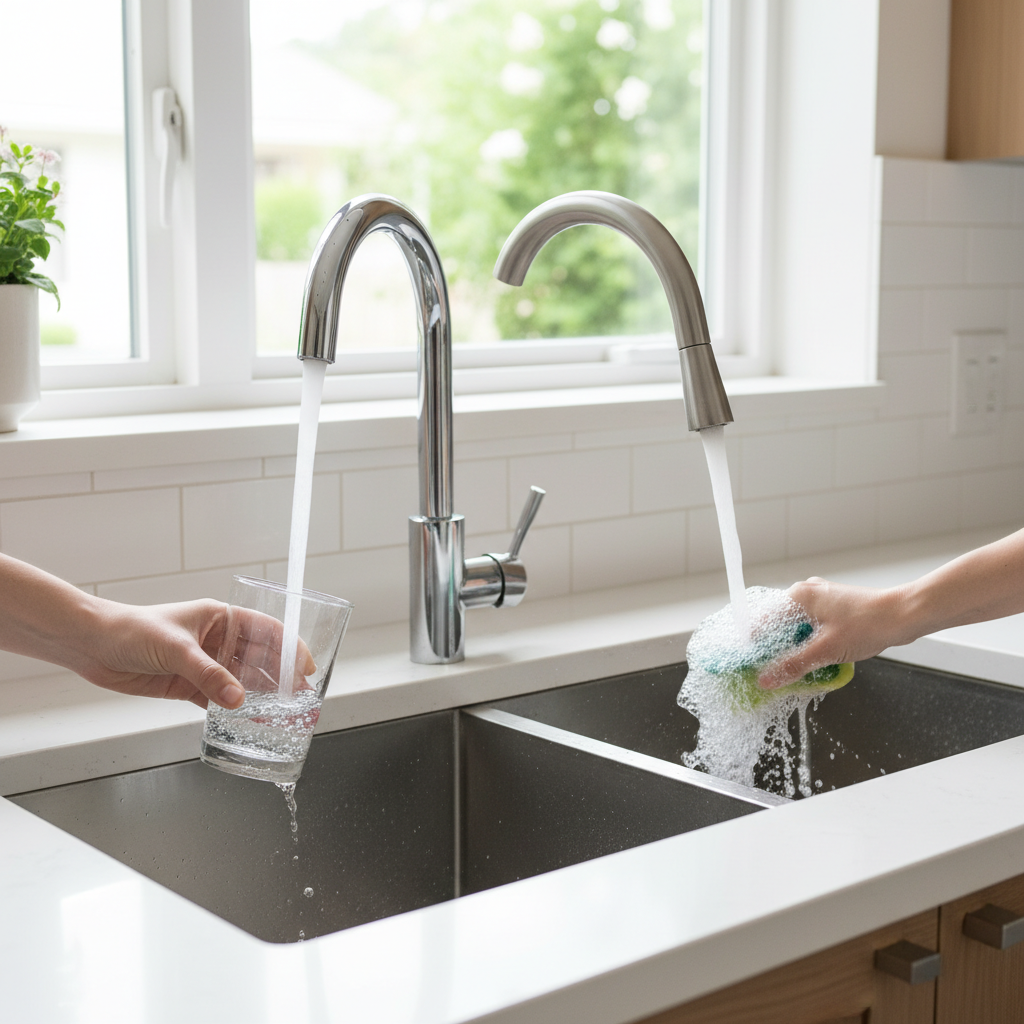
There’s little that disrupts a kitchen workflow more than a weak, sputtering stream from your faucet. Whether you’re trying to rinse dishes, fill a pot, or simply wash your hands, low water pressure can turn routine tasks into frustrating chores. You deserve a kitchen that functions efficiently and effectively, and often, the solution starts right at your sink. This comprehensive guide will help you understand the common culprits behind low water pressure and navigate the market to find the best kitchen faucets designed to restore powerful, consistent flow in 2026, transforming your kitchen experience.
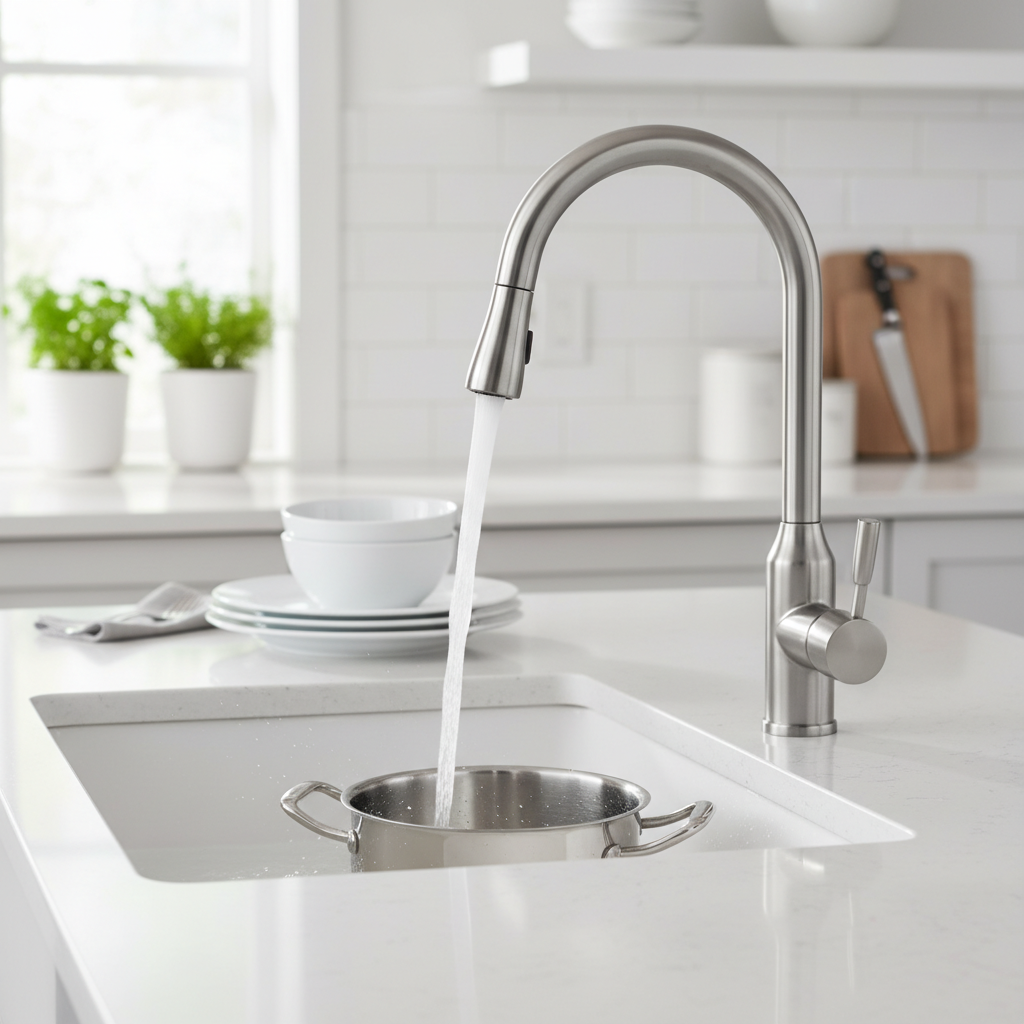
Understanding Low Water Pressure: Causes and Solutions
Before investing in a new faucet, it’s crucial to diagnose why your kitchen sink might be experiencing low water pressure. Often, the issue isn’t with your entire home’s plumbing, but a localized problem that can be easily addressed. Understanding the cause can save you time and money.
Common Causes of Low Water Pressure
Several factors can contribute to diminished water flow at your kitchen faucet:
- Clogged Aerator: This is by far the most frequent and easiest to fix problem. The aerator is a small mesh screen located at the tip of your faucet spout that mixes air with water for a smooth flow. Over time, mineral deposits and debris can accumulate, restricting water flow.
- Clogged Cartridge: Many single-handle faucets contain a cartridge that regulates water flow and temperature. If this component becomes clogged with sediment, it can significantly reduce pressure.
- Partially Closed Shut-off Valves: Every sink has dedicated hot and cold water shut-off valves located underneath. If one or both are not fully open, they can restrict the water supply.
- Kinks in Water Supply Lines: The flexible supply lines connecting your faucet to the main water pipes can sometimes get kinked or bent, especially after maintenance or installation, impeding water flow.
- Leaks in Pipes: Even small leaks in the pipes supplying your kitchen can cause a noticeable drop in water pressure. These can lead to water damage if not addressed quickly.
- Water Heater Issues: If only your hot water experiences low pressure, the problem might stem from your water heater or its supply lines.
- Municipal Water Line Problems: In rare cases, a widespread issue with your municipal water supply line could be the cause, affecting multiple fixtures throughout your home and possibly your neighbors.
|
Our Picks for the Best High pressure faucet in 2026
As an Amazon Associate I earn from qualifying purchases.
|
||
| Num | Product | Action |
|---|---|---|
| 1 | Chrome Brass Wall Mount Faucet, Single Cold Water Utility Tap, G 1/2 Inch Connection for Laundry Sink, Mop Basin, Garage, Outdoor Garden Hose |

|
| 2 | 3-Adjustable Water Pressure Faucet with Booster Shower Heads - ABS Material, Extended Spout, Anti-Splash, Universal Connector |
|
| 3 | GIMILI Kitchen Faucet with Pull Down Sprayer Single Handle High Pressure Kitchen Sink Faucet Commercial Double-Headed Stainless Steel Kitchen Faucets Brushed Nickel and Black |
|
| 4 | Kitchen Faucet with Pull Down Sprayer, High Arc Single Handle Brushed Nickel Stainless Steel 1 or 3 Hole Faucet for Kitchen Sink, Farmhouse, RV, Laundry, Bar, Outdoor |
|
| 5 | FORIOUS Kitchen Faucets with Pull Down Sprayer, Brushed Nickel, High Arc Single Handle Classic Stainless Steel Sink Faucet 1 or 3 Hole, Suitable for Farmhouse Camper Laundry Rv Bar |
|
| 6 | AIMADI Kitchen Faucet with Pull Down Sprayer,Commercial Stainless Steel Pull Down Sprayer Kitchen Faucet Single Hole Single Handle RV Laundry Outdoor Kitchen Sink Faucets |
|
| 7 | Inchant Outdoor Kitchen Sink Faucet - 360° Rotatable Single Hole Single Handle Cold Water Kitchen Faucet Flexible Neck Laundry Room Tap Bar Garden Outdoor Faucet, Deck Mount Chrome Finish |
|
| 8 | TMOK 1/2" x 3/4" Brass Outdoor Faucet & High Pressure Jet Nozzle with Leakproof Shut Off Valve, Heavy-Duty Brass 3/4" GHT Hose Nozzle with 4 Garden Hose Rubber Washers, Teflon Tape |
|
| 9 | 2PCS 360 Degree Swivel Faucet Aerator Deluxe Water Saving Faucet Sprayer Water Saving Bubbler Pressurized Faucet Filter Kitchen Accessories (360 Degree, Count, 2) |
|
| 10 | TIORIY Kitchen Faucet Head with 15 Adapters, High Pressure 3 Functions Pull Down Kitchen Spray Head Replacement, Pull Out Kitchen Sink Sprayer Nozzle, Brushed Gold, ABS |
|
DIY Fixes for Low Water Pressure
Many low water pressure issues can be resolved with simple DIY steps:
- Clean the Aerator: Unscrew the aerator from the end of your faucet (a towel and pliers can help prevent scratches). Inspect the screen for any visible debris or mineral buildup. For stubborn deposits, soak the aerator in white vinegar overnight and scrub it with an old toothbrush. Reinstall it and check the water flow. If the pressure improves, you’ve found your culprit.
- Check Shut-off Valves: Look under your kitchen sink and locate the hot and cold water shut-off valves. Ensure they are fully open by turning them counter-clockwise. Even a slightly closed valve can impact pressure.
- Inspect for Kinks and Flush Supply Lines: Examine the flexible supply lines leading to your faucet for any visible kinks. If they are clear, you can try flushing them. Turn off your main water supply, disconnect the supply lines from the faucet, aim them into a bucket, and briefly turn the main water supply back on to flush out any debris.
When to Call a Professional
If these DIY solutions don’t resolve the issue, or if you suspect a more serious problem like a clogged cartridge, hidden leaks, or a municipal line issue, it’s best to consult a professional plumber. They can accurately diagnose complex problems and perform necessary repairs.
What Makes a Kitchen Faucet “High-Pressure”?
When we talk about “high-pressure” kitchen faucets in the context of fixing low water pressure, we’re often referring to faucets engineered to optimize and enhance the perception of water flow, even in homes with naturally lower incoming pressure. These faucets don’t magically increase your home’s main water supply pressure but are designed to make the most of what’s available.
Definition and Working Principle
A high-pressure kitchen faucet is designed with internal mechanisms and external features that focus and aerate water effectively, creating a robust, forceful stream. This often involves:
- Advanced Aerators: These devices are crucial for low-pressure systems. They infuse air into the water stream, making the flow feel fuller and more powerful without actually increasing the volume of water used. This trick creates a satisfying experience while often conserving water.
- Optimized Internal Pathways: High-quality faucets minimize internal resistance, allowing water to flow more freely and with less friction than poorly designed models.
- Specialized Spray Modes: Many modern faucets include settings like “boost” or “sweep” sprays, which concentrate water into a powerful jet for specific cleaning tasks, providing a temporary burst of intense pressure.
Benefits of High-Pressure Faucets
Upgrading to a faucet designed for optimal water flow offers numerous advantages:
- Enhanced Cleaning Capability: A powerful stream can effectively dislodge and rinse away stubborn food particles and grime from dishes, making cleanup faster and more thorough.
- Improved Efficiency: With a stronger flow, tasks like filling pots, rinsing vegetables, and washing dishes become significantly quicker, saving you valuable time in the kitchen.
- Better User Experience: No more impatiently waiting for a slow trickle. A robust and consistent water flow makes daily kitchen chores more enjoyable and less frustrating.
- Water Conservation (with aerators): Counter-intuitively, well-designed faucets for low pressure often incorporate aerators that create the feeling of high pressure while using less water, making them eco-friendly and potentially reducing your utility bills.
Types of Kitchen Faucets for Optimal Water Flow
The design and functionality of your kitchen faucet play a significant role in how well it performs, especially if you’re dealing with lower water pressure.
Pull-Down Faucets
Pull-down faucets feature a high-arc gooseneck spout with a spray head that pulls straight down into the sink.
- Pros: They offer excellent clearance for filling large pots and washing bulky items. The downward pulling motion is ergonomic and provides versatile spray options, making them great for deep sinks.
- Cons: Due to their tall, arched spouts, the water travels further against gravity, which can sometimes result in slightly lower actual water pressure compared to more direct, lower-profile faucets if your home already has very low pressure. “Smaller sink spaces, in particular, cannot accommodate pull-down designs.”
Pull-Out Faucets
Pull-out faucets have a shorter, more compact body, with the entire faucet head pulling straight out toward you.
- Pros: They offer a longer hose reach horizontally, making them ideal for wider or shallower sinks and situations where you need to fill pots on the countertop beside the sink. Their lower profile can be beneficial for kitchens with limited overhead clearance.
- Cons: The shorter height may not offer enough clearance for very large pots. “Their tall spout might mean less water pressure than pull-out faucets,” which can be a consideration if you’re looking for an overall stronger spray.
Semi-Pro Faucets
Inspired by professional kitchens, semi-pro faucets feature a high-arc spout, often with an exposed spring-wrapped, flexible hose.
- Pros: These faucets are built for powerful performance and durability, typically offering robust spray functions and flexible hoses for heavy-duty cleaning tasks. Their design ensures strong, directed water streams.
- Cons: Their industrial aesthetic might not suit all kitchen styles, and they can be larger, requiring more visual and physical space.
Touch and Touchless Faucets
These modern marvels utilize sensors to turn water on and off.
- Pros: They offer unparalleled convenience and hygiene, reducing the spread of germs. Many models, like the Delta Pivotal with Touch2O Technology, integrate pressure-enhancing features without sacrificing performance.
- Cons: They often require batteries for their smart features, which need periodic replacement. Initial installation might be more complex than traditional faucets.
Top Kitchen Faucets to Fix Low Water Pressure in 2026
Based on performance, features, and user reviews, here are some of the best kitchen faucets in 2026 designed to help mitigate low water pressure and improve your kitchen experience.
1. Kohler Clarus Sprayer Kitchen Faucet
Why it’s great for low pressure: This faucet is explicitly highlighted for its water pressure performance. It features a dedicated “boost setting” for an intense surge of water, perfect for tackling stubborn messes and quickly filling pots. The high-arc design also offers ample sink clearance.
- Key Features: Boost setting, touchless option (with sensor), stream and spray modes, high-arc spout.
- Flow Rate: 1.5 GPM.
- Material/Finish: Zinc; available in Stainless Steel, Chrome, Brass, Matte Black.
- Considerations: The touchless sensor can sometimes be tricky to toggle on and off, and high-pressure settings can cause splashing if not carefully controlled.
2. Delta Lenta Kitchen Faucet
Why it’s great for low pressure: Reviewers frequently note a “noticeably improved water pressure” with the Delta Lenta. Its strong water flow, especially at higher settings, makes it a reliable choice for homes struggling with inconsistent pressure.
- Key Features: Dual spray modes (stream, spray), ShieldSpray Technology (concentrated jet with a protective water shield), magnetic docking (MagnaTite) for the spray head, smooth temperature control.
- Flow Rate: 1.8 GPM.
- Material/Finish: Zinc; available in Brushed Nickel, Brushed Gold, Chrome, Champagne Bronze, Matte Black.
- Considerations: ShieldSpray Technology may not be as effective for all users, and some finishes might show water spots in hard water areas.
3. Moen Smyth Pulldown Kitchen Faucet
Why it’s great for low pressure: The Moen Smyth boasts an “extra pressure option” on its sprayer, providing a very strong flow useful for demanding tasks like dislodging stuck-on food. Its robust construction contributes to stable performance.
- Key Features: Multiple spray settings with an extra pressure boost, customizable hose length, precise temperature control, magnetic docking for secure retraction.
- Flow Rate: 1.5 GPM.
- Material/Finish: Zinc; available in Matte Black, Bronzed Gold, Polished Nickel, Spot Resist Stainless.
- Considerations: This is a higher-priced option, and the deck plate is not typically included.
4. Delta Pivotal Single Handle Pull Down Kitchen Faucet with Touch2O Technology
Why it’s great for low pressure: Delta’s DIAMOND Seal Technology reduces leak points and enhances durability, which supports consistent pressure over time. The faucet also features an efficient flow rate and advanced technologies that maintain strong performance.
- Key Features: Touch2O Technology (touch on/off), MagnaTite Docking, TempSense LED light (water temperature indicator), DIAMOND Seal Technology.
- Flow Rate: 1.8 GPM.
- Material/Finish: Not explicitly listed, typically durable metals; various finishes available.
- Considerations: The touch feature requires batteries, which need periodic replacement.
5. AXOR Montreux Semi-Pro Kitchen Faucet
Why it’s great for low pressure: As a semi-pro model, the AXOR Montreux is designed for powerful performance. It includes both laminar and shower spray modes, effectively concentrating water for efficient cleaning, and its 1.75 GPM flow rate is well-balanced.
- Key Features: 360-degree swivel, laminar and shower spray modes, EcoRight Technology (water efficiency), ceramic cartridge, integrated backflow prevention.
- Flow Rate: 1.75 GPM.
- Material/Finish: Typically brass; available in Steel Optic, Polished Nickel, Chrome.
- Considerations: This is a luxury-tier faucet with a higher price point, and its industrial design might not appeal to everyone.
6. Grohe K7 Medium Semi-Pro Single-Handle Standard Kitchen Faucet
Why it’s great for low pressure: Another semi-pro option, the Grohe K7 features a dual spray function with a powerful stream setting and a 360-degree swiveling spring arm for extensive reach and focused cleaning. GROHE SilkMove technology ensures smooth operation.
- Key Features: Dual spray function (powerful stream, gentle spray), 360-degree swiveling spring arm, GROHE SilkMove ceramic disc cartridge, GROHE StarLight finish (durable), SpeedClean nozzles (easy limescale removal).
- Flow Rate: 1.75 GPM.
- Material/Finish: Typically brass; available in Super Steel (stainless steel look).
- Considerations: Like other semi-pro models, it has a distinct aesthetic and is a premium investment.
Choosing the Right Faucet: A Buyer’s Guide
Selecting the perfect kitchen faucet involves more than just aesthetics; it requires careful consideration of your specific needs, existing setup, and desired functionality.
Key Factors to Consider
- Assess Your Current Water Pressure: Before shopping, verify if the low pressure is isolated to the kitchen or affects your entire home. This helps determine if a faucet upgrade or a plumbing repair is needed.
- Sink Size and Configuration:
- Mounting Holes: Count the number of holes in your sink or countertop. Most modern faucets are single-hole, but many come with a deck plate to cover additional holes from older three- or four-hole setups. Ensure compatibility.
- Spout Height and Reach: For deep sinks, a high-arc pull-down faucet offers ample clearance. For shallower sinks or those under low cabinets, a pull-out or lower-profile faucet may prevent splashing and fit better. “The right faucet can tie your whole kitchen together. It’s a small detail that makes a big impact on your daily routine.”
- Flow Rate (GPM): Measured in gallons per minute (GPM), this indicates water usage. While many high-pressure faucets still meet WaterSense standards (typically 1.5-1.8 GPM), their design makes the most of this flow to feel powerful.
- Material and Durability: Invest in faucets made from robust, corrosion-resistant materials like solid brass or stainless steel. High-quality ceramic disc valves are essential for preventing drips and ensuring long-term, leak-free operation.
- Finish and Style:
- Aesthetics: Choose a style (modern, traditional, industrial, farmhouse) and finish (chrome, brushed nickel, matte black, gold, champagne bronze) that complements your kitchen’s decor.
- Durability of Finish: Look for finishes designed to resist fingerprints, water spots, and tarnishing. “Chrome is a durable finish and easy to keep clean, so it’s a popular choice and great if your kitchen gets heavy use,” notes Allison Ruda, a Michigan-based interior designer.
- Mixing Metals: While matching finishes creates a cohesive look, mixing metals can add visual interest. “I like to do no more than two finishes in a space,” advises Ruda.
- Smart Features and Technologies: Consider features like touchless operation, magnetic docking for pull-down sprayers (to prevent drooping), and specialized spray modes (e.g., boost, sweep) for enhanced functionality.
- Budget: Faucets range widely in price. While under $200 offers functional options, the $200-$400 range often provides a better balance of durability, style, and advanced features like solid brass construction and ceramic disc valves. Luxury faucets above $400 offer superior craftsmanship and cutting-edge technology.
- Warranty and Reviews: A strong warranty indicates a manufacturer’s confidence in their product. Always check independent reviews and user feedback to gauge real-world performance and durability. “Concerns about the sprayer staying attached are handled by features like magnets or weights.”
Installation and Maintenance for Lasting Performance
Even the best faucet needs proper installation and regular care to deliver optimal performance, especially in a low water pressure environment.
DIY vs. Professional Installation
Installing a new kitchen faucet can be a straightforward DIY project for those comfortable with basic plumbing. However, tight under-sink spaces, corroded old fittings, or mismatched sink hole configurations can complicate the process. If you encounter any challenges or prefer peace of mind, hiring a professional plumber ensures correct installation, preventing potential leaks and issues.
Post-Installation Checks
After installation, thoroughly check all connections for leaks. Test both hot and cold water flow, and experiment with all spray modes to ensure everything functions as expected. Confirm that the spray head retracts smoothly and docks securely.
Regular Cleaning and Maintenance
To maintain optimal water flow and appearance:
- Clean the Aerator Regularly: As mentioned, mineral deposits can quickly restrict flow. Periodically unscrew and clean your aerator to prevent blockages.
- Care for the Finish: Use a mild soap and a soft cloth for regular cleaning. Avoid harsh chemical cleaners, abrasive sponges, or bleach, as these can damage the protective coating and finish. Wiping down the faucet after each use helps prevent water spots and mineral buildup.
- Check Hoses and Connections: Occasionally inspect the pull-down or pull-out hose for any kinks or obstructions underneath the sink. Ensure the counterweight for retractable hoses is securely attached and moves freely.
Troubleshooting Common Faucet Problems
- Sprayer Won’t Retract: This is often due to an obstruction blocking the hose or its counterweight under the sink. Clear the area, and check the docking mechanism for debris.
- Sudden Drop in Pressure: If your stream suddenly weakens, a clogged aerator is the most likely culprit. Clean it thoroughly. If the problem persists, check your shut-off valves or consider internal issues like a clogged cartridge.
Conclusion
Overcoming low water pressure in your kitchen doesn’t have to be a constant struggle. By understanding the common causes and carefully selecting a faucet engineered for optimal flow, you can transform your daily kitchen routines. From the powerful boost settings of a Kohler Clarus to the innovative ShieldSpray of a Delta Lenta, today’s best kitchen faucets combine advanced technology with durable design to provide a satisfying, efficient, and enjoyable water experience. Make an informed choice, and invest in a faucet that promises not just style, but also powerful performance for years to come. What will be the first task you tackle with your newly invigorated kitchen water flow?
Frequently Asked Questions
What makes a faucet truly effective for low water pressure?
Effective faucets for low water pressure are designed with specialized aerators that introduce air into the water stream, making the flow feel fuller and more powerful. They may also incorporate features like boost spray modes or optimized internal channels that concentrate the water, maximizing the available pressure without consuming more water.
Can a new faucet increase my home’s overall water pressure?
No, a new faucet cannot increase your home’s main water supply pressure. However, it can significantly improve the perceived pressure and the efficiency of water delivery at the tap. By channeling water more effectively and using aeration, a well-chosen faucet makes a weak stream feel much stronger and more useful for daily tasks.
What is the ideal flow rate (GPM) for a low-pressure kitchen faucet?
While a lower GPM (Gallons Per Minute), typically 1.5 to 1.8 GPM, indicates water efficiency, it’s the faucet’s design, not just the GPM number, that’s crucial for low-pressure performance. Look for models that balance water conservation with features like advanced aerators and multiple spray functions to ensure a strong, effective stream.
Are pull-down faucets a good choice for kitchens with low water pressure?
Pull-down faucets offer excellent reach and versatile spray patterns, which can be beneficial. However, due to their high-arc design, they may sometimes deliver slightly less pressure than lower-profile pull-out faucets, especially if your home already has very low water pressure. Always check reviews for specific models regarding their performance in low-pressure conditions.
How often should I clean my faucet’s aerator to maintain good water pressure?
Regularly cleaning your faucet’s aerator is key to preventing low water pressure caused by mineral buildup and debris. For homes with hard water, cleaning it every few months or as soon as you notice a drop in pressure is advisable. This simple maintenance step ensures consistent and optimal water flow.