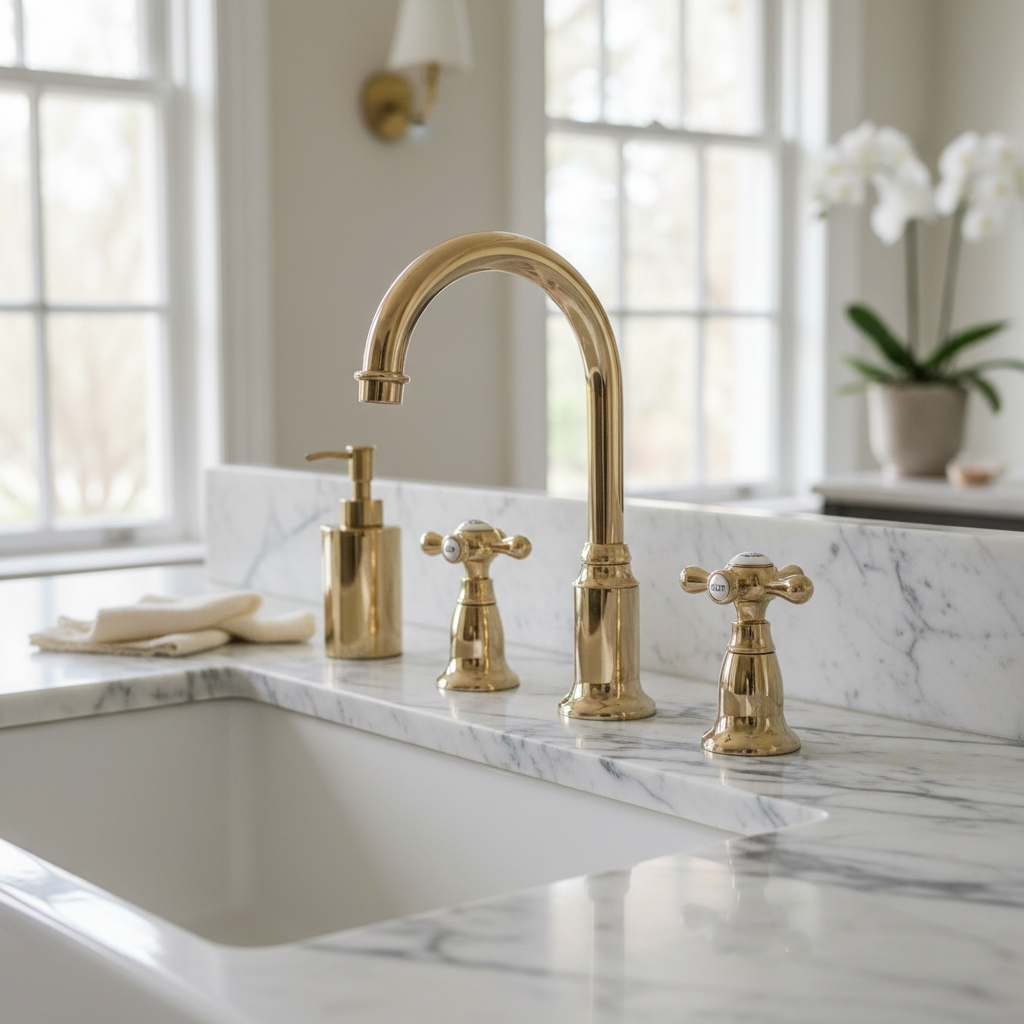
Choosing the right faucet for your home is more than just a matter of aesthetics; it’s about functionality, durability, and, crucially, water pressure. As an experienced technician in kitchen and bath fixtures, particularly with high-pressure faucets, I understand the nuances that make one faucet perform differently from another. When faced with the perennial debate—Delta vs. Kohler—the question of which brand offers superior water pressure is complex, extending beyond simple brand loyalty to encompass innovative technologies, specific model designs, and even your home’s unique plumbing infrastructure. This article will dissect these factors to help you make an informed decision, ensuring your next faucet provides the optimal water flow you desire.
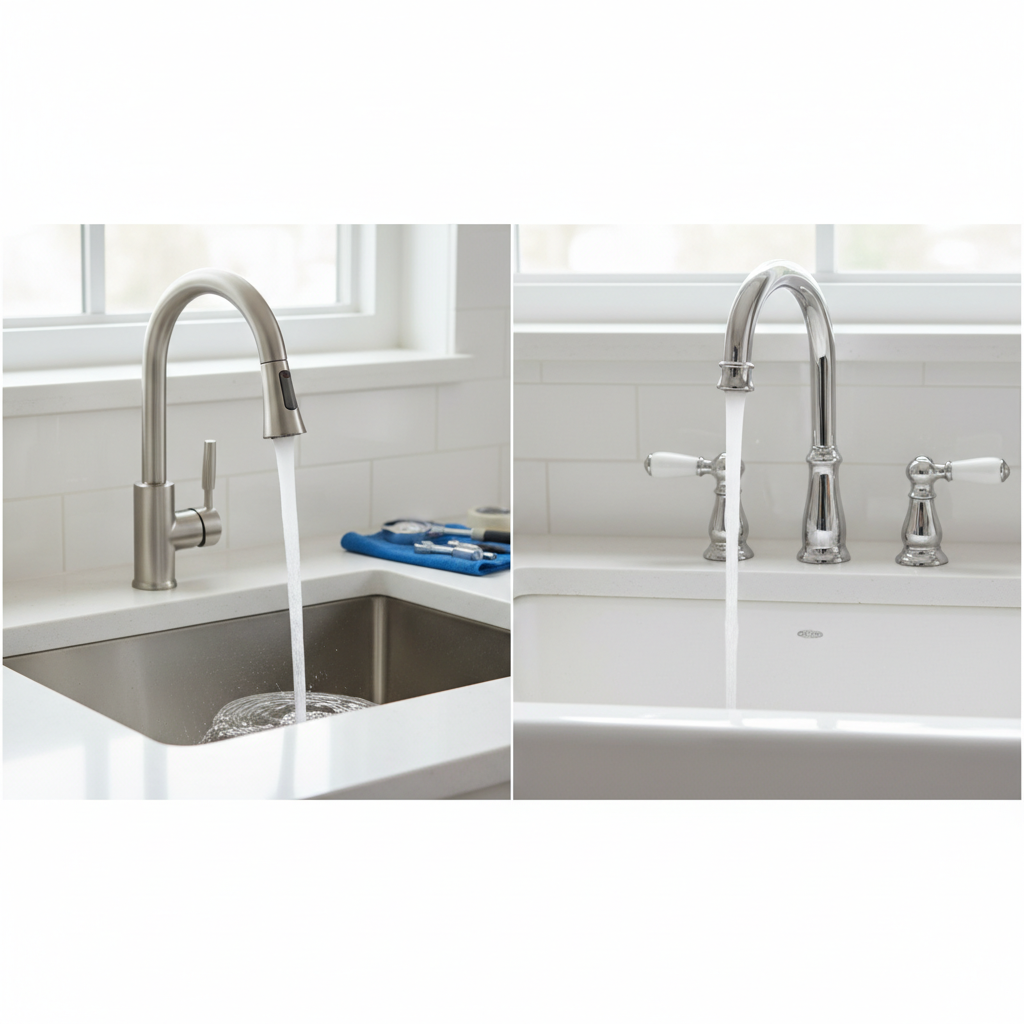
High-Pressure Faucet: Enhancing Your Water Experience
What is an Optimized Pressure Faucet?
|
Our Picks for the Best High pressure faucet in 2026
As an Amazon Associate I earn from qualifying purchases.
|
||
| Num | Product | Action |
|---|---|---|
| 1 | 2PCS 360 Degree Swivel Faucet Aerator Deluxe Water Saving Faucet Sprayer Water Saving Bubbler Pressurized Faucet Filter Kitchen Accessories (360 Degree, Count, 2) |

|
| 2 | Chrome Brass Wall Mount Faucet, Single Cold Water Utility Tap, G 1/2 Inch Connection for Laundry Sink, Mop Basin, Garage, Outdoor Garden Hose |
|
| 3 | 3-Adjustable Water Pressure Faucet with Booster Shower Heads - ABS Material, Extended Spout, Anti-Splash, Universal Connector |
|
| 4 | Kitchen Faucet with Pull Down Sprayer, High Arc Single Handle Brushed Nickel Stainless Steel 1 or 3 Hole Faucet for Kitchen Sink, Farmhouse, RV, Laundry, Bar, Outdoor |
|
| 5 | GIMILI Kitchen Faucet with Pull Down Sprayer Single Handle High Pressure Kitchen Sink Faucet Commercial Double-Headed Stainless Steel Kitchen Faucets Brushed Nickel and Black |
|
| 6 | Inchant Outdoor Kitchen Sink Faucet - 360° Rotatable Single Hole Single Handle Cold Water Kitchen Faucet Flexible Neck Laundry Room Tap Bar Garden Outdoor Faucet, Deck Mount Chrome Finish |
|
| 7 | TIORIY Kitchen Faucet Head with 15 Adapters, High Pressure 3 Functions Pull Down Kitchen Spray Head Replacement, Pull Out Kitchen Sink Sprayer Nozzle, Brushed Gold, ABS |
|
| 8 | FORIOUS Kitchen Faucets with Pull Down Sprayer, Brushed Nickel, High Arc Single Handle Classic Stainless Steel Sink Faucet 1 or 3 Hole, Suitable for Farmhouse Camper Laundry Rv Bar |
|
| 9 | TMOK 1/2" x 3/4" Brass Outdoor Faucet & High Pressure Jet Nozzle with Leakproof Shut Off Valve, Heavy-Duty Brass 3/4" GHT Hose Nozzle with 4 Garden Hose Rubber Washers, Teflon Tape |
|
| 10 | AIMADI Kitchen Faucet with Pull Down Sprayer,Commercial Stainless Steel Pull Down Sprayer Kitchen Faucet Single Hole Single Handle RV Laundry Outdoor Kitchen Sink Faucets |
|
An optimized pressure faucet isn’t necessarily one that blasts water out at extreme velocities, but rather one that delivers a consistently strong and effective stream, tailored to your needs. While the perceived “high pressure” often stems from your home’s main water supply, the faucet’s design plays a crucial role in how that pressure is delivered and experienced. Factors such as the faucet’s internal pathways, aerator design, and flow rate (measured in gallons per minute, or GPM) all contribute to the final output. Most residential faucets adhere to federal flow rate standards, typically around 1.8 GPM for bathroom faucets and 1.8 to 2.2 GPM for kitchen faucets, balancing performance with water conservation.
Benefits of Optimized Water Pressure
The advantages of having a faucet with optimized water pressure extend far beyond a powerful stream. In the kitchen, it translates to more efficient dishwashing and quicker filling of pots, saving both time and effort. For bathroom faucets, good pressure means faster rinsing, a more satisfying handwashing experience, and more effective cleaning. Beyond mere convenience, optimized pressure can also contribute to water efficiency by allowing tasks to be completed more quickly, potentially reducing overall water consumption, especially when combined with smart water-saving technologies.
Understanding Water Pressure in Faucets: Beyond the Brand
Factors Affecting Faucet Pressure
It’s a common misconception that a faucet itself generates water pressure. In reality, a faucet delivers the pressure supplied by your home’s plumbing system. Several key factors outside of the faucet’s brand influence the actual water pressure you experience:
- Home’s Water Supply: Whether you rely on municipal water or a well system, the incoming pressure is the foundation.
- Pipe Diameter and Condition: Narrow or corroded pipes can restrict water flow, regardless of the faucet installed.
- Aerators: These small mesh screens mix air with water, creating a smoother, more voluminous-feeling stream. Clogged aerators are a frequent culprit for low pressure.
- Faucet Design: Internal components and water channels within the faucet can subtly impact flow dynamics.
- Local Regulations: Many areas have codes limiting GPM to promote water conservation.
How Faucet Design Influences Perceived Pressure
While a faucet can’t magically boost your home’s inherent water pressure, its design can significantly alter the perception of pressure. This is primarily achieved through:
- Aerators: By aerating the water, faucets can make a lower flow rate feel more substantial. The quality and design of the aerator can prevent splashing while maintaining a powerful rinse.
- Spray Patterns: Specialized spray patterns, particularly in kitchen pull-down faucets or showerheads, can concentrate water streams, delivering a more forceful impact even at standard GPM rates.
- Internal Waterways: Smooth, unobstructed internal channels minimize friction, allowing water to flow more efficiently from the valve to the spout. High-quality manufacturing ensures these pathways remain consistent.
Delta Faucets: Innovation for Perceived Power
Delta has carved out a reputation for integrating innovative technologies that enhance the user experience, particularly concerning water efficiency and the sensation of increased pressure.
Delta’s Water-Efficient Technologies
Delta faucets are well-regarded for their commitment to water conservation, often featuring water-efficient technologies that meet or exceed industry standards like WaterSense certification. These features are designed to reduce water consumption without compromising performance. For instance, Delta’s H2Okinetic Technology in showerheads sculpts water into a unique wave pattern, creating a feeling of more water and greater warmth, even with a lower flow rate. This isn’t about increasing the absolute pressure from your home, but rather optimizing the delivery to maximize perceived power and coverage.
How Delta Enhances Pressure Feel
Delta’s approach to water pressure focuses on intelligent design. Instead of simply pushing more water, their technology manipulates the water’s shape and speed. The H2Okinetic spray, for example, is engineered to increase the force and coverage of the water droplets, making a standard flow feel much more invigorating. This attention to fluid dynamics means that even in homes with moderate water pressure, Delta faucets can often deliver a satisfying and powerful stream. Their focus on rigorous product testing ensures that these innovations translate into reliable real-world performance.
Pros and Cons Related to Pressure
- Pros:
- High Perceived Pressure: Technologies like H2Okinetic significantly enhance the feeling of pressure, particularly in showers, without increasing actual GPM.
- Water Savings: Achieves a powerful experience while conserving water.
- Consistent Flow: Designed to provide a steady stream.
- Cons:
- Dependence on Aerators: Like all faucets, their performance can be hindered by clogged aerators, which are common issues in hard water areas.
- Subjective Experience: While engineered to feel powerful, individual perception of “pressure” can vary.
Kohler Faucets: Consistent Flow and Advanced Delivery
Kohler, a brand synonymous with luxury and sophisticated design, also brings significant innovations to water delivery, focusing on consistent, reliable flow and high-end features.
Kohler’s Innovative Water Delivery Systems
Kohler faucets are recognized for their “innovative water delivery systems” that aim to provide a “consistent and reliable water flow”. This emphasis ensures that water is delivered smoothly and without fluctuations, which is crucial for a premium user experience. Their commitment to quality materials and craftsmanship means that internal components are designed for optimal flow dynamics and longevity. From ceramic disc valves that ensure water efficiency to advanced internal engineering, Kohler prioritizes steady, effective water output.
Smart Features and Performance
Beyond traditional mechanics, Kohler integrates smart features that further refine water delivery. Their smart fixtures, including touchless and voice-activated faucets, offer precise control over water flow and temperature, which contributes to a seamless and efficient experience. These systems are designed to conserve water without compromising performance, ensuring that even with reduced GPM, the functionality and effectiveness of the faucet remain high. This blend of technology and design ensures that Kohler faucets not only look elegant but also perform intelligently.
Pros and Cons Related to Pressure
- Pros:
- Consistent and Reliable Flow: Known for steady water delivery.
- Durable Construction: High-quality materials and manufacturing contribute to long-term performance and flow.
- Smart Technology: Offers precise control over water, optimizing usage and experience.
- Cons:
- Potentially Higher Price Point: Premium features and luxury design can come with a higher cost.
- Focus on Elegance: While functional, some models might prioritize aesthetic innovation over maximizing raw perceived pressure.
Side-by-Side Comparison: Delta vs. Kohler on Pressure and Beyond
When directly comparing Delta and Kohler for water pressure, it’s clear that both brands approach the challenge with distinct philosophies.
| Feature | Delta Faucets | Kohler Faucets |
|---|---|---|
| Perceived Pressure Enhancement | High; utilizes H2Okinetic and other technologies to make lower flow feel more powerful. | Good; focuses on consistent, reliable flow and effective delivery. |
| Water Conservation Tech | Strong; WaterSense certified, H2Okinetic technology. | Strong; smart features designed to conserve water without sacrificing performance. |
| Flow Consistency | Reliable and steady. | Highly consistent and precisely engineered for smooth flow. |
| Build Quality & Materials | High-quality materials (brass, stainless steel), resistant to corrosion. | Premium craftsmanship, durable finishes, high-quality materials for longevity. |
| Warranty & Support | Generally excellent customer service and part replacement. | Solid limited lifetime warranties; focus on long-term reliability. |
| Design Aesthetics | Sleek, modern designs with diverse finishes. | Timeless elegance, classic designs with modern luxury features. |
| Price Range | Offers excellent value across an affordable to mid-range spectrum. | Positioned as a luxury investment with high-end options. |
Choosing the Right Faucet for Your Needs
Selecting the ideal faucet for optimal water pressure involves understanding your personal priorities and your home’s unique characteristics.
Assess Your Home’s Water Pressure
Before investing in a new faucet, it’s essential to gauge your current water pressure. A simple water pressure gauge can be attached to an outdoor spigot to give you a baseline reading. If your home’s incoming pressure is inherently low, even the most advanced faucet may not meet expectations. In such cases, addressing the root cause (e.g., pressure reducer valve issues, pipe blockages) might be more effective.
Consider Faucet Type and Usage
The ideal faucet pressure varies by application. A kitchen faucet benefits from a strong spray for rinsing dishes, while a bathroom lavatory faucet might prioritize a gentle, consistent flow. Consider models specifically designed for your primary use case. For example, kitchen faucets with multiple spray modes can offer both aerated streams for everyday use and powerful spray options for stubborn food debris.
Material and Durability
The quality of materials and construction directly impacts a faucet’s long-term performance and its ability to maintain consistent water flow. Faucets made from solid brass or stainless steel, with high-quality ceramic disc valves, are less prone to internal corrosion and blockages that can degrade water pressure over time. Investing in durable materials means a longer lifespan and more reliable pressure.
Budget and Brand Reputation
Both Delta and Kohler offer a wide range of products, but their general positioning differs. Delta often provides excellent value with a broader range of affordable options, while still incorporating innovative features. Kohler, on the other hand, often appeals to those seeking a luxury investment with premium designs and high-end smart features. Evaluate your budget alongside your desire for specific features and the overall aesthetic you want to achieve.
Top Faucet Features for Optimal Pressure
When you’re actively seeking a faucet that delivers great pressure, here are features to prioritize from both brands:
- For Delta: Look for models with H2Okinetic Technology in their showerheads and DIAMOND Seal Technology in their valves. H2Okinetic is specifically designed to enhance the feeling of pressure and coverage, while DIAMOND Seal valves offer long-lasting, leak-free operation, which directly supports consistent flow over time.
- For Kohler: Seek out faucets with ProMotion Technology for sprayheads (which improves hose flexibility and retraction) and those emphasizing MasterClean sprayfaces (making it easier to wipe away mineral buildup from aerator nozzles, preventing pressure loss). Their touchless and voice-activated models also boast precise control over flow, ensuring efficiency without compromising power.
Installation and Maintenance for Optimal Faucet Pressure
Even the best faucet can underperform if not installed correctly or maintained regularly.
Proper Installation
Correct installation is fundamental to achieving optimal water pressure. Ensure all connections are tight to prevent leaks, and follow the manufacturer’s instructions diligently. Any kinks in supply lines or improperly seated gaskets can restrict flow and reduce pressure. If you’re unsure, professional installation can often prevent common pressure-related issues.
Aerator Cleaning
The most common cause of perceived low water pressure in a faucet is a clogged aerator. Mineral deposits, rust, or sediment can accumulate in the small mesh screen, blocking water flow. Regularly unscrewing and cleaning the aerator, often with a simple brush and vinegar solution, can dramatically restore water pressure. This is a critical troubleshooting step for any low-pressure complaint.
Regular Maintenance Tips
Beyond aerator cleaning, periodic checks of your faucet’s components, ensuring no leaks, and inspecting supply lines for blockages will help maintain optimal pressure. If you notice a significant drop in pressure that isn’t resolved by cleaning the aerator, it might indicate a larger plumbing issue or a faulty valve within the faucet itself, warranting further investigation.
Expert Insights on Faucet Performance
“In my decade of experience with high-pressure faucet systems, the key isn’t just raw GPM, but how a brand engineers its flow to feel powerful and consistent. Delta excels in perceived pressure through advanced spray dynamics, while Kohler focuses on unwavering, high-quality water delivery. Both are excellent, but your home’s existing plumbing is always the biggest variable.” – Admin, reviewreco.com, High-Pressure Faucet Specialist
Conclusion
When it comes to the question of Delta vs. Kohler and which faucet offers better water pressure, there isn’t a single, definitive answer. Both brands are industry leaders, employing sophisticated technologies to optimize water delivery and user experience. Delta often stands out for its innovations like H2Okinetic technology, designed to create a powerful sensation of pressure while conserving water. Kohler, conversely, emphasizes consistent, reliable flow and robust construction, with smart features that enhance precision and efficiency.
Ultimately, your choice should hinge on what you prioritize: the invigorating feel of Delta’s engineered sprays or the consistent, high-end performance of Kohler’s delivery systems. Consider your home’s existing water pressure, the faucet’s intended use, and your aesthetic preferences. By making an informed decision, you’ll choose a high-pressure faucet that not only meets your functional demands but also complements your home for years to come.
What’s the most critical feature you look for in a high-pressure faucet?
Frequently Asked Questions
Do Delta faucets genuinely increase water pressure?
Delta faucets, particularly those with H2Okinetic Technology, don’t increase your home’s overall water pressure. Instead, they manipulate the water stream to feel more powerful and provide greater coverage, effectively enhancing the user’s perception of pressure while maintaining water efficiency.
Are Kohler faucets known for consistent water flow?
Yes, Kohler faucets are highly regarded for their innovative water delivery systems, which are engineered to provide a consistent and reliable water flow. Their focus on quality materials and precise engineering helps ensure a steady stream without fluctuations, contributing to a premium user experience.
What is the primary cause of low water pressure in any faucet?
The most common primary cause of low water pressure in any faucet, regardless of brand, is a clogged aerator. Mineral deposits, sediment, or debris can accumulate in the small screen at the faucet’s tip, restricting water flow. Regular cleaning of the aerator can often resolve this issue.
Can a faucet’s material affect its long-term water pressure?
Absolutely. Faucets made from high-quality, durable materials like solid brass or stainless steel, with ceramic disc valves, are less prone to internal corrosion and wear. This durability helps maintain clear internal waterways, ensuring consistent water flow and pressure over the faucet’s lifespan.
Is there a federal standard for faucet flow rates?
Yes, in the United States, federal standards mandate maximum flow rates for faucets to promote water conservation. Most bathroom faucets are limited to 1.5 GPM, while kitchen faucets are typically limited to 1.8 GPM, although some can go up to 2.2 GPM. Both Delta and Kohler adhere to these regulations.