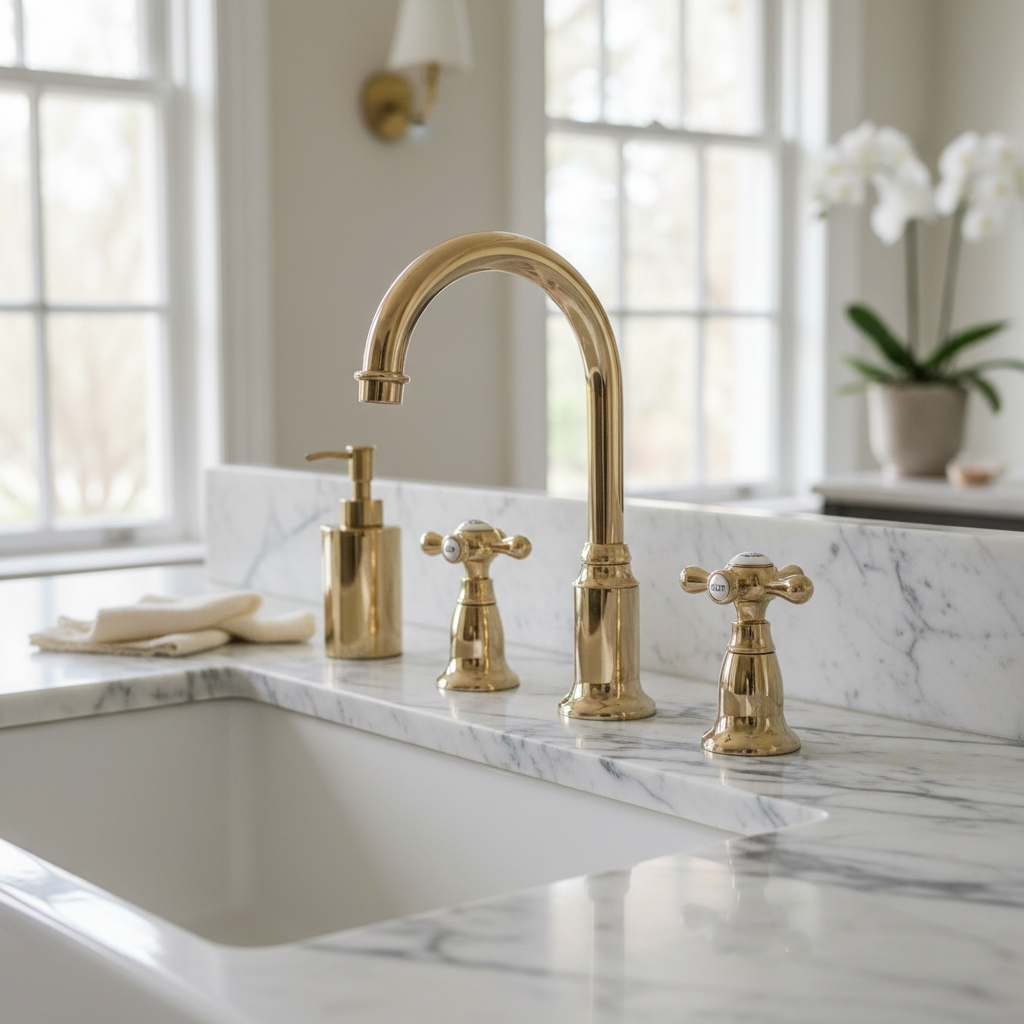
Dealing with hard water can feel like a never-ending battle against stubborn stains and reduced water flow. If you live in an area with high mineral content in your water, you’ve likely experienced the frustration of unsightly white deposits, diminished water pressure, and even premature faucet failure. But what if you could choose a faucet designed to stand up to these challenges, providing robust performance and a sparkling appearance for years to come? The key lies in selecting the right high-pressure faucet, specifically engineered for hard water conditions.
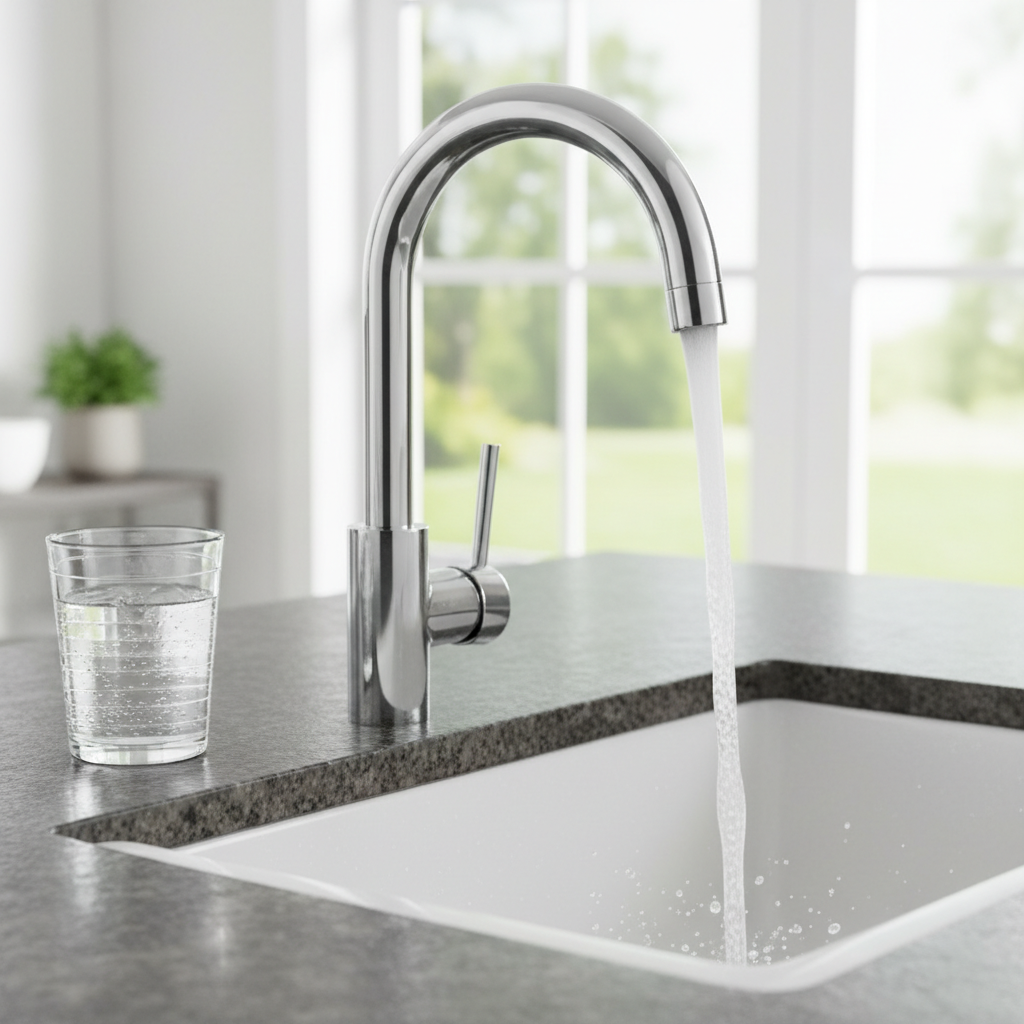
This comprehensive guide will walk you through everything you need to know about high-pressure faucets tailored for hard water areas. We’ll explore how hard water impacts your fixtures, the essential features to prioritize, recommend top models, and provide invaluable tips for installation and maintenance. By the end, you’ll be equipped to make an informed decision, ensuring your kitchen and bathroom fixtures not only look great but perform flawlessly, despite the minerals in your water.
What is a High-Pressure Faucet?
A high-pressure faucet, often referred to as a high-pressure sink faucet or kitchen faucet, is designed to deliver water with significant force, typically operating between 3-10 bar (approximately 43-145 PSI). These faucets are engineered for high flow rates, fast cleaning, and powerful spraying functions. They are particularly beneficial in homes and commercial settings where water efficiency and cleaning power are paramount.
For homes in hard water areas, a high-pressure faucet offers distinct advantages. The robust flow helps to push through potential mineral buildups that can restrict water pathways in standard faucets. This means you can maintain consistent water pressure for tasks like rinsing dishes, cleaning sinks, or filling pots quickly, even as minerals attempt to accumulate within the system. Their durable construction, often featuring ceramic valve cores, contributes to a longer service life, making them a wise investment for challenging water conditions.
Understanding Hard Water: Your Faucet’s Silent Adversary
Hard water is characterized by a high concentration of dissolved minerals, primarily calcium and magnesium, which it picks up as it flows through natural geological formations. While generally safe to drink, these minerals can wreak havoc on your plumbing fixtures, especially faucets.
Over time, hard water leads to several common problems:
- Limescale Buildup: This is the most visible sign of hard water. A chalky, white, or crusty substance forms around faucet spouts, aerators, and even internal components. This buildup restricts water flow and can make your faucets look old and dirty.
- Corrosion and Wear: The minerals in hard water can react with metal surfaces, accelerating corrosion and wear. This can lead to leaks, rust, and significantly shorten the lifespan of your faucets, requiring premature replacement.
- Reduced Water Pressure: As limescale accumulates within aerators and internal pipes, the diameter for water flow narrows, directly reducing water pressure and efficiency.
- Erratic Water Spray: Clogged aerators can cause water to spray in unpredictable directions, making tasks messy and frustrating.
- Aesthetic Degradation: Beyond functionality, hard water leaves unsightly spots and stains on faucet finishes, diminishing the overall appearance of your kitchen or bathroom.
“Hard water minerals are tiny architects of destruction for your faucets. They silently build up, layer by layer, until flow is restricted and aesthetics are compromised.” – Admin, reviewreco.com, High-Pressure Faucet Expert
Key Features to Look for in High-Pressure Faucets for Hard Water
Choosing a faucet that can effectively combat the effects of hard water involves looking beyond mere aesthetics. Consider these crucial features to ensure lasting performance and minimal maintenance:
Corrosion-Resistant Materials
The foundation of a hard water-resistant faucet lies in its construction materials.
- Stainless Steel: Highly resistant to corrosion from mineral deposits, easy to clean, and durable. It does not typically require special finishes, making it a robust choice.
- Brass: Naturally corrosion and tarnish-resistant, brass is a timeless and strong material. Coatings like chrome or nickel can further enhance its protection against hard water. Lead-free brass is essential for potable water.
- Bronze: Offers good corrosion resistance and often develops an attractive patina.
- Nickel: Often used as a protective plating over brass or other metals, nickel is harder than chrome and less prone to showing water spots.
- Copper Alloys, Titanium Alloys, and Aluminum Alloys: These materials also offer good resistance to scale accumulation and corrosion, often with benefits like lighter weight (titanium/aluminum) or antimicrobial properties (copper).
|
Our Picks for the Best High pressure faucet in 2026
As an Amazon Associate I earn from qualifying purchases.
|
||
| Num | Product | Action |
|---|---|---|
| 1 | Inchant Outdoor Kitchen Sink Faucet - 360° Rotatable Single Hole Single Handle Cold Water Kitchen Faucet Flexible Neck Laundry Room Tap Bar Garden Outdoor Faucet, Deck Mount Chrome Finish |

|
| 2 | GIMILI Kitchen Faucet with Pull Down Sprayer Single Handle High Pressure Kitchen Sink Faucet Commercial Double-Headed Stainless Steel Kitchen Faucets Brushed Nickel and Black |
|
| 3 | 3-Adjustable Water Pressure Faucet with Booster Shower Heads - ABS Material, Extended Spout, Anti-Splash, Universal Connector |
|
| 4 | TMOK 1/2" x 3/4" Brass Outdoor Faucet & High Pressure Jet Nozzle with Leakproof Shut Off Valve, Heavy-Duty Brass 3/4" GHT Hose Nozzle with 4 Garden Hose Rubber Washers, Teflon Tape |
|
| 5 | FORIOUS Kitchen Faucets with Pull Down Sprayer, Brushed Nickel, High Arc Single Handle Classic Stainless Steel Sink Faucet 1 or 3 Hole, Suitable for Farmhouse Camper Laundry Rv Bar |
|
| 6 | Chrome Brass Wall Mount Faucet, Single Cold Water Utility Tap, G 1/2 Inch Connection for Laundry Sink, Mop Basin, Garage, Outdoor Garden Hose |
|
| 7 | 2PCS 360 Degree Swivel Faucet Aerator Deluxe Water Saving Faucet Sprayer Water Saving Bubbler Pressurized Faucet Filter Kitchen Accessories (360 Degree, Count, 2) |
|
| 8 | Kitchen Faucet with Pull Down Sprayer, High Arc Single Handle Brushed Nickel Stainless Steel 1 or 3 Hole Faucet for Kitchen Sink, Farmhouse, RV, Laundry, Bar, Outdoor |
|
| 9 | TIORIY Kitchen Faucet Head with 15 Adapters, High Pressure 3 Functions Pull Down Kitchen Spray Head Replacement, Pull Out Kitchen Sink Sprayer Nozzle, Brushed Gold, ABS |
|
| 10 | AIMADI Kitchen Faucet with Pull Down Sprayer,Commercial Stainless Steel Pull Down Sprayer Kitchen Faucet Single Hole Single Handle RV Laundry Outdoor Kitchen Sink Faucets |
|
Spot-Resistant Finishes
Certain finishes are specifically designed to minimize the appearance of hard water spots and fingerprints:
- Spot-Resist Stainless (e.g., Moen Spot Resist, Delta SpotShield): These proprietary finishes actively repel water spots and fingerprints, significantly reducing the need for constant wiping.
- Brushed Nickel / Satin Nickel: These finishes have a slightly textured, matte appearance that effectively hides water spots. Satin nickel, in particular, has a color similar to water deposits, creating a visual camouflage effect.
- PVD (Physical Vapor Deposition) Coatings: These highly durable coatings offer superior protection against water stains, scratches, and mineral buildup, often outlasting traditional finishes.
- Chrome: While chrome has a non-porous surface that resists rust and corrosion, it can show water spots more readily due to its reflective nature. Some manufacturers offer “spot-resistant chrome” with a protective coating to mitigate this.
Durable Internal Components
The internal workings are just as important as the exterior.
- Ceramic Disc Cartridges: These are far superior to older rubber-seal models. Ceramic discs are resistant to mineral buildup and wear, ensuring smooth operation, preventing leaks, and extending the faucet’s lifespan in hard water conditions.
Easy-to-Clean Design
Simplicity in design can be a huge advantage for hard water areas.
- Smooth Surfaces and Minimal Crevices: Fewer nooks and crannies mean less area for mineral deposits to accumulate.
- Easy-to-Clean Aerators: Faucets with aerators that are simple to remove and clean (e.g., rubberized nozzles like Delta’s Touch-Clean or Kohler’s MasterClean) allow you to easily wipe away limescale, maintaining optimal water flow.
Optimized Water Flow
Look for faucets with an adequate flow rate, typically 1.5 to 2.2 GPM (Gallons Per Minute). A strong, consistent flow helps prevent mineral deposits from settling and restricting the water path, crucial for high-pressure performance in hard water areas.
Anti-Scaling Technology and Filtration
Some advanced faucets incorporate features that directly combat mineral buildup:
- Anti-Limescale Systems: Technologies like Hansgrohe’s QuickClean spray nozzles allow for easy wiping away of mineral deposits.
- Built-in Filtration: Certain faucets, like the Pfister Lita Xtract, integrate filtration systems to reduce chlorine, lead, and hard water minerals before they reach your glass or sink.
Types of High-Pressure Faucets Suitable for Hard Water
While the internal components and finishes are critical, certain faucet types offer practical advantages for hard water management:
- Pull-Down and Pull-Out Faucets: These versatile faucets typically feature flexible hoses and spray heads, making it easier to rinse away mineral deposits from the sink basin and ensure comprehensive cleaning.
- Single-Handle Faucets: With fewer joints and crevices compared to two-handle designs, single-handle faucets tend to accumulate less scale, making them simpler to clean and maintain.
- Widespread Faucets: These designs feature separate hot and cold handles, spaced apart from the central spout. This separation can prevent water from pooling around a single faucet body, reducing localized mineral buildup.
- Wall-Mount Faucets: By being mounted directly on the wall above the sink, these faucets clear valuable countertop space and minimize the exposure of the faucet body to standing water, reducing hard water stain potential.
Top 5 High-Pressure Faucets for Hard Water Areas
Based on their robust construction, innovative hard water-resistant features, and user reviews, here are some of the best high-pressure faucets that excel in hard water environments:
1. Moen 87028SRS Edwyn Spot-Resist Kitchen Faucet
The Moen Edwyn is a perennial favorite for hard water areas, featuring Moen’s signature Spot Resist stainless finish which effectively minimizes fingerprints and water spots. Its side-handle placement intelligently reduces water dripping onto the faucet body, a common cause of hard water stains. The smooth design with minimal grooves further simplifies cleaning. Equipped with a durable ceramic cartridge, this faucet is built to withstand mineral buildup and comes with Moen’s lifetime warranty, ensuring long-term reliability.
2. Delta 19744Z-SPSD-DST Foundry Kitchen Faucet
Delta’s Foundry model is a dream for hard water homes. It boasts SpotShield Stainless finish to combat fingerprints and water spots. Key hard water-specific features include a diamond-embedded ceramic disc to prevent wear on seals and Touch-Clean rubber spray holes that allow you to wipe away mineral buildup with ease. The innovative ShieldSpray Technology significantly reduces splatter, meaning fewer water spots around your sink area, while delivering a powerful cleaning stream. Its external hose design also minimizes tangling issues common with retractable sprayers.
3. Kohler K-R562-SD-VS Malleco Pull-Down Kitchen Faucet
While Kohler doesn’t explicitly label a “spot resist” finish on the Malleco, its Vibrant Stainless finish combined with a near-seamless design performs exceptionally well against hard water spots and streaks. This faucet offers excellent value, featuring a ceramic disk cartridge for extended life, crucial for hard water longevity. The handle positioning is optimized to prevent spotting, and its ample water pressure with a powerful fan spray makes dishwashing a breeze.
4. Delta 9159-AR-DST Trinsic Kitchen Sink Faucet
For those who prefer a sleek, contemporary aesthetic, the Delta Trinsic is an outstanding choice. Its minimalist design means fewer areas for mineral buildup. The Arctic Stainless finish is highly effective at resisting hard water spots and stains. Like the Foundry, it includes TouchClean soft-rubber spray holes and Delta’s Diamond Seal Technology, ensuring a leak-free operation and extended durability even with consistent hard water exposure. Various models, including Touch2O and VoiceIQ, offer added convenience without compromising performance.
5. Kraus KPF-1610SS Bolden Commercial-Style Kitchen Faucet
Bringing commercial-grade durability to the home, the Kraus Bolden is constructed from all-metal with a stainless steel finish that naturally resists corrosion and limescale. Its compact, industrial design features smooth surfaces and a removable aerator, making cleaning mineral deposits effortless. The flexible spring spout and dual-function spray head provide versatility and help rinse away stubborn buildup. This faucet is built to endure the rigors of hard water and heavy daily use.
Installation and Maintenance Tips for Hard Water Faucets
Even with the best hard water-resistant faucet, proper installation and diligent maintenance are key to maximizing its lifespan and performance.
Installation Suggestions
- Check Water Pressure: Ensure your home’s water supply system meets the minimum pressure requirements (typically 2.5 bar or 36 PSI) to fully utilize the high-pressure function.
- Interface Size: Confirm the faucet’s interface size (commonly G1/2 or G3/8) matches your plumbing before installation.
- Use Sealing Rings/Tape: Apply sealing rings or raw tape at key connection points to prevent leaks, which can exacerbate hard water damage over time.
- Reserve Space: For pull-out or pull-down models, ensure adequate space is reserved under the sink for the flexible hose to operate without obstruction.
Essential Maintenance Tips
- Wipe Down After Every Use: This simple habit is incredibly effective. Wiping the faucet dry after each use prevents mineral-rich water droplets from evaporating and leaving deposits.
- Regular Cleaning: Clean the faucet surface with a soft cloth and mild soap. Avoid abrasive cleaners or harsh chemicals that can damage the finish.
- Vinegar Soaks for Aerators: If you notice reduced water flow or erratic spray, the aerator is likely clogged with limescale. Unscrew the aerator (if removable) and soak it in white vinegar for a few hours (or overnight for stubborn buildup). Scrub with an old toothbrush, rinse, and reattach.
- Check Valve Cores: If you experience dripping or inconsistent temperature adjustment, it might be time to inspect or replace the ceramic valve core.
- Consider a Water Softener: For homes with severe hard water, installing a whole-house water softener is the most effective long-term solution to protect all your plumbing fixtures, including your faucets.
- Protect Finishes: Some homeowners apply car wax to chrome or PVD finishes to provide an extra layer of protection against etching and make cleaning easier.
When to Replace Your Hard Water Damaged Faucet
While proper maintenance can extend a faucet’s life, there comes a point when replacement is more practical than repair. Look for these signs:
- Visible Corrosion or Pitting: If the faucet surface shows cracks, pitting, or significant corrosion that can’t be cleaned away, it indicates irreversible damage.
- Persistent Leaks: Leaks originating from internal components, not just worn washers, are a strong sign of mineral damage to the faucet’s core.
- Significant Pressure Loss: If water pressure remains low despite cleaning aerators and checking supply lines, internal scale buildup might be extensive.
- Frequent Repairs: Constantly replacing internal parts due to hard water damage is a clear indicator that the faucet is past its prime.
- Repair Cost Exceeds Replacement: If the cost of repairing damaged components approaches that of a new, hard water-resistant faucet, investing in a replacement is more economical.
Conclusion
Choosing the best high-pressure faucet for hard water areas is a smart investment that pays dividends in both functionality and aesthetics. By understanding how hard water impacts your plumbing and prioritizing faucets with corrosion-resistant materials, spot-resistant finishes, durable ceramic cartridges, and easy-to-clean designs, you can significantly mitigate the challenges. Brands like Moen, Delta, and Kohler lead the way with innovative features engineered to withstand mineral onslaught. Remember to complement your choice with diligent maintenance, and consider a whole-house water softener for ultimate protection. With the right high-pressure faucet, you can say goodbye to limescale headaches and enjoy consistently strong, clear water flow for years to come.
What steps will you take today to upgrade your home with a hard water-resistant high-pressure faucet?
Frequently Asked Questions
How does hard water specifically reduce faucet lifespan?
Hard water reduces faucet lifespan by causing limescale buildup within internal components like aerators and cartridges, leading to blockages and increased friction. Additionally, minerals can accelerate corrosion on metal surfaces, leading to leaks, material degradation, and ultimately requiring premature replacement of the fixture.
Are all high-pressure faucets suitable for hard water areas?
Not all high-pressure faucets are equally suitable for hard water areas. While they offer strong flow, their effectiveness against hard water depends on specific features like corrosion-resistant materials, spot-resistant finishes, and durable ceramic cartridges designed to withstand mineral buildup. Prioritizing these features is crucial.
Can a faucet filter solve hard water problems for my high-pressure faucet?
A faucet filter can help reduce some hard water minerals, offering a temporary solution for drinking water or minor scale issues. However, for comprehensive protection and to truly combat the impact of hard water on the faucet’s internal mechanisms and overall plumbing, a whole-house water softener is generally more effective.
What is the best finish to hide hard water spots?
Satin nickel and brushed nickel finishes are generally considered the best at hiding hard water spots. Their matte, textured appearance and color similarity to water deposits create a visual camouflage effect, making stains less conspicuous compared to reflective finishes like polished chrome or matte black.