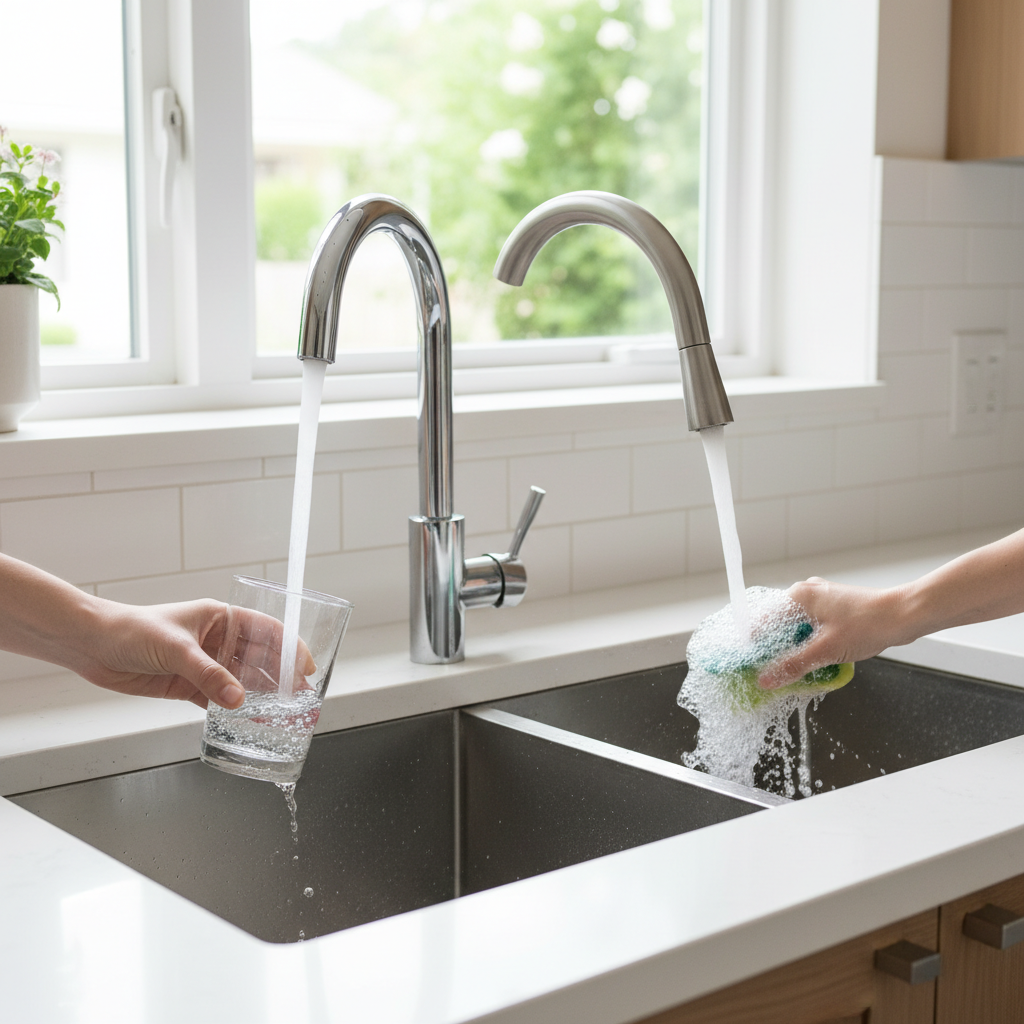
Upgrading your home’s faucets can dramatically enhance both the aesthetics and functionality of your kitchen or bathroom. If you’ve ever dealt with frustratingly low water flow, you know the immense difference a high-pressure faucet can make. Imagine effortlessly rinsing stubborn food off dishes or enjoying a powerful, invigorating shower – that’s the promise of a well-chosen and properly installed high-pressure faucet. This guide will walk you through everything you need to know, from understanding what makes a faucet high-pressure to a step-by-step DIY installation process, empowering you to tackle this project with confidence.
High Pressure Faucet: An Effective Water Pressure Solution for Your Home
A high-pressure faucet is specifically engineered to handle and optimize water flow from systems that deliver significant water pressure, typically ranging from 3 to 10 bar (approximately 43.5 to 145 PSI). Unlike their low-pressure counterparts, these faucets are designed with internal components that minimize flow restriction, allowing a greater volume of water to pass through with impressive force. This robust design translates into a noticeably stronger stream, which is invaluable for a variety of household tasks.
The benefits of integrating a high-pressure faucet into your home are numerous and immediately apparent. Foremost among these is the enhanced cleaning capability; the powerful water jet can effortlessly dislodge stubborn food particles from dishes, making cleanup quicker and more efficient. This increased flow also allows for faster filling of pots and sinks, significantly cutting down on wait times in a busy kitchen. Beyond practicality, a consistent, strong stream improves the overall user experience, making daily routines like washing hands or showering feel more luxurious and satisfying. Surprisingly, many modern high-pressure faucets are also designed with water efficiency in mind, often featuring specialized nozzles that concentrate water flow while reducing overall consumption, leading to potential savings on your water bill. Their durable construction, often from high-quality metals, also contributes to a longer lifespan, resisting corrosion and scale buildup more effectively than standard models.
Understanding Your Home’s Water Pressure System
Before diving into any faucet installation, it’s crucial to understand your home’s existing water pressure system. Mismatched faucet types and water pressure can lead to disappointing performance, such as a weak trickle from a high-pressure faucet in a low-pressure system, or excessive splashing if a low-pressure faucet is installed where the pressure is too high. Water pressure is typically measured in pounds per square inch (PSI) or bar, and knowing your home’s average reading is the first step in making an informed choice.
Residential water pressure can vary significantly depending on several factors. Homes connected to a municipal water supply often experience naturally high pressure, usually between 40 and 80 PSI. However, factors like your proximity to the main water line, the elevation of your home relative to the water source, and the demand from other houses in your area can influence this. Many homes also have a pressure regulator valve installed where the main water line enters the house, which can be adjusted to maintain a consistent, safe pressure level and protect plumbing from damage. For homes relying on well water, a pump system is used to pressurize the water, and the settings of this pump directly determine your home’s water pressure. Older or corroded pipes within your plumbing system can also restrict flow and reduce the effective pressure at your tap. In contrast, gravity-fed systems, commonly found in older homes with cold water storage tanks in the loft, typically deliver lower pressure, as the flow relies purely on gravitational force. Unvented or ‘megaflo’ systems, often found in newer, larger homes, store water in a pressurized environment, offering high pressure independent of gravity. Identifying your system type is paramount, as it dictates the kind of faucet that will perform optimally.
Types of High Pressure Faucets on the Market
The market offers a diverse range of faucets capable of handling high water pressure, designed to meet various aesthetic preferences and functional requirements across different areas of your home. While the internal mechanisms are optimized for pressure, their external designs align with general faucet classifications.
Faucets can be broadly classified by their operation and configuration. Single-handle faucets are a popular choice for both kitchens and bathrooms due to their minimalist design and ease of use, allowing control of both water temperature and flow with one hand. For bathrooms, widespread faucets offer a more traditional look with separate hot and cold handles and a distinct spout, providing flexibility in installation on larger sink decks. Centerset faucets integrate the spout and handles onto a single base, ideal for sinks with standard three-hole drilling. In the kitchen, specialized types are prevalent: pull-down faucets feature a spray head that pulls directly down into the sink, offering excellent reach and versatility for washing large pots or rinsing the sink basin. Pull-out faucets have a spray head that pulls straight out towards you, offering a different range of motion often preferred for smaller sinks or when working outside the basin. Beyond these, you’ll find bridge faucets, known for their vintage aesthetic connecting hot and cold lines above the deck, and wall-mounted faucets, which free up counter space and offer a sleek, modern look.
When considering materials, stainless steel faucets are highly favored for their durability, corrosion resistance, and sleek, modern appearance. They are generally easy to clean and maintain, making them a practical choice for high-traffic areas. Solid brass faucets are another excellent option, prized for their strength and longevity. Brass is a robust material that can withstand high pressure and is often finished with chrome, nickel, or bronze to suit various interior styles. While less common for high-pressure applications, some ABS plastic components or faucets exist, usually at a lower price point. However, for a high-pressure system, metal construction is generally recommended for superior durability and reliability.
“Choosing the right faucet material isn’t just about looks; it’s about ensuring your plumbing can withstand consistent high pressure without premature wear. Brass and stainless steel are almost always the smart choice for longevity.” – Michael Chen, Senior Plumbing Technician
Comparing High Pressure Faucet Types
When selecting a high-pressure faucet, understanding the nuances between different types can help you find the perfect match for your needs. Here’s a comparison of common faucet styles suitable for high-pressure systems, focusing on their typical attributes:
| Faucet Type | Ideal Location | Pressure Rating (Typical) | Flow Rate (GPM) | Key Features | Durability | Price Range |
|---|---|---|---|---|---|---|
| Pull-Down Kitchen | Kitchen | 3-10 bar (43.5-145 PSI) | 1.8-2.2 | Extended sprayer reach, multiple spray modes, high arc | High | Medium-High |
| Pull-Out Kitchen | Kitchen | 3-10 bar (43.5-145 PSI) | 1.8-2.2 | Compact sprayer, good for smaller sinks, wide range of motion | High | Medium |
| Single-Handle Lavabo | Bathroom | 3-8 bar (43.5-116 PSI) | 1.2-1.5 | Easy temperature/flow control, sleek design, ADA compliant options | Medium-High | Low-Medium |
| Widespread Lavabo | Bathroom | 3-8 bar (43.5-116 PSI) | 1.2-1.5 | Traditional aesthetic, flexible installation, separate handles | High | Medium-High |
| Wall-Mounted | Kitchen/Bathroom | 3-10 bar (43.5-145 PSI) | 1.5-2.2 | Space-saving, modern look, specific plumbing requirements | High | High |
This table provides a general overview, but individual product specifications will always vary. It highlights that most modern faucet types can be adapted for high-pressure systems, with kitchen models generally offering higher flow rates (GPM) due to their demanding use.
Guide to Choosing the Right High Pressure Faucet
Selecting the ideal high-pressure faucet involves more than just picking a design you like. A thoughtful approach ensures that your new fixture not only looks great but also performs flawlessly for years to come. Here are the crucial factors to consider:
First, assess your existing water pressure. While you’re looking for a high-pressure faucet, it’s vital to ensure your home’s pressure falls within the recommended operating range for the specific model. Installing a faucet rated for extremely high pressure in a system with moderate pressure might not yield the desired flow, and conversely, installing a faucet not built for your system’s pressure can lead to leaks or damage. You can measure your home’s water pressure with an inexpensive gauge that attaches to an outdoor spigot or washing machine connection.
Next, consider your usage needs. For a busy kitchen, a pull-down or pull-out faucet with multiple spray functions and a higher flow rate (measured in Gallons Per Minute, GPM) might be essential for efficient washing and filling. In a bathroom, aesthetics, ease of cleaning, and water-saving features might take precedence. Think about who will be using the faucet and for what primary tasks. Your budget is another practical consideration; while high-quality faucets are an investment, there’s a wide price range across various brands and materials. Balancing cost with desired features and durability is key.
Material and durability are paramount for high-pressure applications. Opt for faucets made from solid brass, stainless steel, or other robust metals that can withstand continuous high water flow and resist corrosion and mineral buildup. Ceramic disc valves are also highly recommended for their longevity and leak-free performance. Furthermore, brand reputation plays a significant role. Established manufacturers often provide better warranties, customer support, and consistent quality. Finally, always check for certifications and compliance with industry standards like ASME, UPC, or NSF International. These certifications confirm that the faucet meets rigorous standards for performance, safety, and reliability, including pressure testing. Don’t forget to measure the existing holes in your sink or countertop to ensure compatibility with the new faucet’s mounting style (e.g., single-hole, 3-hole centerset, widespread).
Top 5 High Pressure Faucets Favored by Homeowners
While specific product models evolve, certain types and features consistently make high-pressure faucets stand out. Here are five examples of highly-rated types that cater to different needs and styles, illustrating what to look for:
-
The Professional Pull-Down Kitchen Faucet (e.g., “AquaBlast Pro”): This style mimics commercial kitchen faucets, featuring a robust, often spring-loaded high-arc spout with a powerful pre-rinse spray function.
- Pros: Exceptional cleaning power, superior reach, often includes magnetic docking, durable all-metal construction.
- Cons: Can be large for smaller kitchens, higher price point.
- Ideal for: Enthusiastic home cooks, large families, deep sinks.
-
The Smart Touchless Kitchen Faucet (e.g., “HydroSense Elite”): Combining high pressure with cutting-edge technology, these faucets offer touchless activation for hygiene and convenience, often with touch-on/off functionality.
- Pros: Hands-free operation reduces germ spread, modern aesthetic, high flow.
- Cons: Requires batteries, can be more complex to install and troubleshoot.
- Ideal for: Tech-savvy users, those prioritizing hygiene, contemporary kitchens.
-
The Classic Widespread Bathroom Faucet (e.g., “Serenity Flow”): Designed for elegant bathrooms, these high-pressure widespread models offer strong, consistent flow for hand washing and basin filling, with separate hot and cold handles for precise temperature control.
- Pros: Timeless design, flexible handle placement, robust brass construction.
- Cons: Requires a 3-hole sink, can be more challenging to clean around separate components.
- Ideal for: Master bathrooms, traditional or luxurious aesthetics.
-
The Compact Pull-Out Kitchen Faucet (e.g., “SpaceSaver Max”): Perfect for smaller kitchens or those who prefer a less imposing fixture, these high-pressure pull-out models offer strong pressure in a streamlined design.
- Pros: Discreet profile, excellent maneuverability, powerful spray for focused cleaning.
- Cons: Shorter hose reach compared to pull-down, fewer spray functions.
- Ideal for: Compact kitchens, utility sinks, minimalist designs.
-
The Eco-Friendly High-Efficiency Faucet (e.g., “AquaGreen Duo”): This category includes faucets that deliver high perceived pressure and effective cleaning while minimizing water waste, often by aerating the stream or using intelligent flow restrictors.
- Pros: Saves water and energy, strong cleaning performance, often compliant with green building standards.
- Cons: May have slightly lower actual GPM than purely performance-focused models.
- Ideal for: Environmentally conscious homeowners, areas with water restrictions, budget-minded users.
Step-by-Step Installation of a High Pressure Faucet
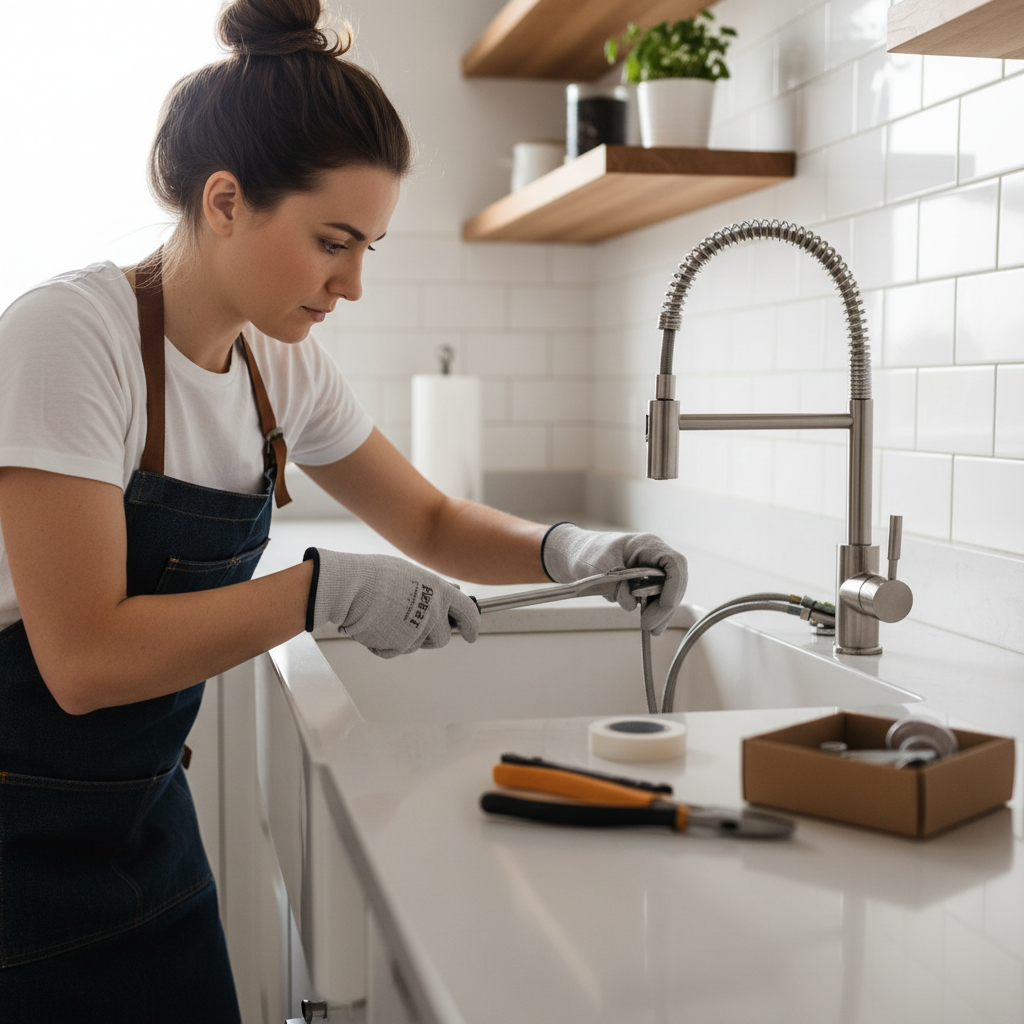
Installing a high-pressure faucet yourself can be a rewarding DIY project, saving you money on plumber fees. While the specific steps might vary slightly between models, the core process remains consistent. Always refer to your new faucet’s manufacturer instructions for any model-specific details.
Tools and Materials You’ll Need:
- New high-pressure faucet with all included parts
- Basin wrench (essential for tight spaces under the sink)
- Adjustable wrenches
- Pliers
- Bucket and sponge
- Safety glasses
- Flashlight or headlamp
- Plumber’s putty or silicone sealant (check if your faucet includes a gasket)
- Teflon tape (PTFE thread seal tape)
- Utility knife or putty knife
- Clean rags
Pre-Installation Checks (Safety First!):
- Turn Off Water Supply: Locate the hot and cold water shut-off valves directly under your sink. Turn them clockwise until they are completely closed. If you cannot find or close these valves, you must turn off the main water supply to your entire home.
- Drain Remaining Water: Open the old faucet and let any residual water drain out. This relieves pressure and prevents unexpected spills. Place your bucket under the pipes to catch any drips.
- Clear Workspace: Remove everything from under the sink to give yourself ample room to work.
Phase 1: Removing the Old Faucet
- Disconnect Supply Lines: Using an adjustable wrench, carefully disconnect the hot and cold water supply lines from the old faucet’s shanks and the shut-off valves. Be prepared for some water to drip out, so keep your bucket and sponge handy.
- Remove Sprayer Hose (if applicable): If your old faucet has a side sprayer or a pull-down sprayer, disconnect its hose from the faucet body or supply line.
- Loosen Mounting Nuts: Climb under the sink and use your basin wrench to loosen the large mounting nuts or bolts that secure the old faucet to the sink or countertop. These can be stubborn, so patience is key.
- Remove Old Faucet: Once all connections and nuts are loose, lift the old faucet straight up and out from the top of the sink.
- Clean Mounting Surface: Use a utility knife or putty knife to scrape away any old plumber’s putty or silicone sealant from the sink’s surface. Thoroughly clean the area with a rag to ensure a smooth, clean surface for your new faucet.
Phase 2: Installing the New High Pressure Faucet
- Prepare the Faucet Base: Many modern faucets come with a rubber gasket that sits between the faucet base and the sink to create a watertight seal. If your faucet includes one, place it over the supply lines and onto the faucet shank. If not, apply a thin, even bead of plumber’s putty around the bottom edge of the new faucet’s base where it will contact the sink.
- Insert Faucet into Mounting Hole(s): Carefully feed the new faucet’s supply lines and shank (or shanks, for widespread models) through the hole(s) in your sink or countertop from above. Ensure the faucet is properly aligned and facing the correct direction.
- Secure Mounting Hardware: From underneath the sink, slide the rubber washer, then the metal washer or mounting bracket, over the faucet’s shank(s). Hand-tighten the mounting nuts onto the shank(s). Use your basin wrench or adjustable wrench to fully tighten these nuts, making sure the faucet is snug and stable. Be careful not to overtighten, which could crack a ceramic sink.
- Connect Water Supply Lines:
- Apply Teflon Tape: Wrap Teflon tape (PTFE thread seal tape) clockwise around the threads of the faucet’s hot and cold inlet pipes, typically 2-3 times. This helps create a watertight seal and prevents leaks.
- Attach Supply Lines: Connect the hot and cold supply lines (either integrated with the faucet or purchased separately) to the corresponding hot and cold inlets on the faucet. Hand-tighten, then use an adjustable wrench to snug them up a quarter turn past hand-tight.
- Connect to Shut-off Valves: Attach the other ends of the supply lines to the hot and cold shut-off valves under the sink. Again, hand-tighten first, then use a wrench to snug them up. Ensure hot connects to hot and cold to cold.
- Install Sprayer and Weight (if applicable):
- Sprayer Connection: If your faucet has a pull-down or pull-out sprayer, connect its hose to the dedicated port on the faucet body. This connection is often a quick-connect fitting; ensure it clicks securely into place.
- Attach Weight: Locate the yellow or marked tape on the sprayer hose under the sink. Attach the hose weight (if provided) to this marked section. This weight helps the sprayer retract smoothly. Ensure the hose isn’t kinked or obstructed by anything under the sink.
Phase 3: Testing and Final Adjustments
- Slowly Turn On Water: Gradually open the hot and cold water shut-off valves under the sink (or the main water supply if you turned it off). Do this slowly to allow the pipes to fill without a sudden surge of pressure.
- Check for Leaks: Inspect all connections you made – at the faucet inlets, at the shut-off valves, and any sprayer connections. Look for any drips or wet spots. If you find a leak, turn off the water immediately and gently tighten the problematic connection by a small amount. Re-check. Repeat until all leaks are resolved.
- Test the Faucet: Run both hot and cold water through the faucet for a few minutes. This flushes out any air or debris from the lines. Test the sprayer function (if applicable), ensuring it retracts properly and all spray modes work.
- Final Adjustments: Check the stability of the faucet on the sink. If it wobbles, gently tighten the mounting nuts from underneath. Ensure the sprayer hose has full range of motion without kinking or getting caught on anything.
“A common mistake DIYers make is overtightening connections. Snug is good, but forcing it can strip threads or crack pipes. Always go for firm, then check for leaks and adjust.” – Maria Lopez, Certified Master Plumber
Tips for Maintaining Your High Pressure Faucet
Proper maintenance is essential to ensure your high-pressure faucet continues to deliver optimal performance and lasts for many years. Regular care can prevent common issues like reduced flow, leaks, and unsightly mineral buildup.
The most crucial aspect of maintenance is regular cleaning. High water pressure can sometimes lead to more noticeable mineral deposits, especially in areas with hard water. Use a soft cloth and a mild, non-abrasive cleaner specifically designed for kitchen or bathroom fixtures. Avoid harsh chemicals or abrasive scrubbers, which can damage the faucet’s finish. Pay particular attention to the aerator, which is the small screen at the tip of the spout. Mineral buildup here is a common culprit for reduced water flow and can be easily removed by unscrewing the aerator, soaking it in a vinegar solution, and scrubbing it with an old toothbrush.
Beyond cleaning, periodically inspect all connections under the sink. Over time, slight vibrations or changes in temperature can cause connections to loosen. A quick check every six months to ensure everything is snug can prevent potential leaks. If you notice a persistent drip from the spout or around the handles, it often indicates a worn-out O-ring or cartridge. These components are usually inexpensive and relatively easy to replace, often requiring only a screwdriver and the new part. Consult your faucet’s manual for specific instructions on replacing internal components. Addressing these small issues promptly can prevent larger plumbing problems down the line and preserve the integrity of your high-pressure system.
Comparing Leading High Pressure Faucet Brands
The market for high-pressure faucets is dominated by several reputable brands known for quality, innovation, and diverse offerings. Here’s a brief comparison of some leading names:
| Brand | Key Strengths | Typical Price Range | Warranty | Noteworthy Features |
|---|---|---|---|---|
| Moen | Reliability, innovative technology (MotionSense), wide range of styles | Medium-High | Limited Lifetime | Spot Resist™ finishes, Reflex™ system for pull-down sprayers |
| Delta | Patented technologies (Touch2O, MagnaTite Docking), water-saving features | Medium-High | Limited Lifetime | DIAMOND Seal Technology, TempSense™ LED indicator |
| Kohler | Premium design, extensive product range, durable finishes | High | Limited Lifetime | ProMotion® technology, various finish options, smart faucet integration |
| Pfister | Value, easy installation (Top Pfit), diverse styles | Low-Medium | Limited Lifetime | Pforever Seal™ ceramic disc valves, Xtract™ water filtration |
| Grohe | European design, precision engineering, focus on water efficiency | High | Limited Lifetime (North America) | SilkMove® cartridges, StarLight® finish, EcoJoy™ water-saving |
| American Standard | Dependability, accessible price points, focus on residential solutions | Low-Medium | Limited Lifetime (Residential) | Speed Connect™ installation, ceramic disc valves |
This comparison highlights that while many brands offer similar lifetime warranties on their faucets, their unique technologies, design philosophies, and price points can help you narrow down your choice. Researching specific models within these brands will reveal features best suited to your high-pressure needs.
Where to Buy Authentic High Pressure Faucets
When investing in a new high-pressure faucet, ensuring you purchase an authentic product from a reputable source is crucial for performance, durability, and warranty coverage. Counterfeit or low-quality imitations may not withstand the demands of a high-pressure system and could lead to costly issues.
Authorized Dealers and Retailers: The safest place to buy an authentic high-pressure faucet is from an authorized dealer or a well-known home improvement retailer. Large chains like Home Depot, Lowe’s, Menards, or their equivalents in your region, typically stock products directly from manufacturers or verified distributors. These stores often have knowledgeable staff who can help you select the right model and ensure you receive genuine products. Similarly, reputable plumbing supply stores are excellent resources, offering a wider selection of professional-grade fixtures and expert advice.
Online Retailers: Purchasing online offers convenience and often competitive pricing. Major online marketplaces like Amazon, Wayfair, or the official websites of manufacturers (e.g., Moen.com, DeltaFaucets.com) are generally reliable. When buying from third-party sellers on larger platforms, always check seller ratings, read product reviews, and verify that the seller is an authorized distributor. Beware of deals that seem too good to be true, as they can sometimes indicate counterfeit products. Cross-referencing the model number on the manufacturer’s official website can help confirm authenticity.
Checking for Authenticity: Once you receive your faucet, take a moment to inspect it. Genuine products usually come in high-quality packaging with clear branding. Check for manufacturer logos, serial numbers, and any included documentation like warranty cards or installation manuals. The finish should be flawless, and the moving parts should feel solid and operate smoothly. If anything seems off, contact the retailer or manufacturer directly to verify. A genuine high-pressure faucet is an investment that provides long-term value and peace of mind.
Frequently Asked Questions About High Pressure Faucets
What is the ideal water pressure for a high-pressure faucet?
|
Our Picks for the Best High pressure faucet in 2026
As an Amazon Associate I earn from qualifying purchases.
|
||
| Num | Product | Action |
|---|---|---|
| 1 | TIORIY Kitchen Faucet Head with 15 Adapters, High Pressure 3 Functions Pull Down Kitchen Spray Head Replacement, Pull Out Kitchen Sink Sprayer Nozzle, Brushed Gold, ABS |

|
| 2 | AIMADI Kitchen Faucet with Pull Down Sprayer,Commercial Stainless Steel Pull Down Sprayer Kitchen Faucet Single Hole Single Handle RV Laundry Outdoor Kitchen Sink Faucets |
|
| 3 | GIMILI Kitchen Faucet with Pull Down Sprayer Single Handle High Pressure Kitchen Sink Faucet Commercial Double-Headed Stainless Steel Kitchen Faucets Brushed Nickel and Black |
|
| 4 | Chrome Brass Wall Mount Faucet, Single Cold Water Utility Tap, G 1/2 Inch Connection for Laundry Sink, Mop Basin, Garage, Outdoor Garden Hose |
|
| 5 | Kitchen Faucet with Pull Down Sprayer, High Arc Single Handle Brushed Nickel Stainless Steel 1 or 3 Hole Faucet for Kitchen Sink, Farmhouse, RV, Laundry, Bar, Outdoor |
|
| 6 | Inchant Outdoor Kitchen Sink Faucet - 360° Rotatable Single Hole Single Handle Cold Water Kitchen Faucet Flexible Neck Laundry Room Tap Bar Garden Outdoor Faucet, Deck Mount Chrome Finish |
|
| 7 | FORIOUS Kitchen Faucets with Pull Down Sprayer, Brushed Nickel, High Arc Single Handle Classic Stainless Steel Sink Faucet 1 or 3 Hole, Suitable for Farmhouse Camper Laundry Rv Bar |
|
| 8 | TMOK 1/2" x 3/4" Brass Outdoor Faucet & High Pressure Jet Nozzle with Leakproof Shut Off Valve, Heavy-Duty Brass 3/4" GHT Hose Nozzle with 4 Garden Hose Rubber Washers, Teflon Tape |
|
| 9 | 3-Adjustable Water Pressure Faucet with Booster Shower Heads - ABS Material, Extended Spout, Anti-Splash, Universal Connector |
|
| 10 | 2PCS 360 Degree Swivel Faucet Aerator Deluxe Water Saving Faucet Sprayer Water Saving Bubbler Pressurized Faucet Filter Kitchen Accessories (360 Degree, Count, 2) |
|
The ideal water pressure for a high-pressure faucet typically ranges between 40-80 PSI (2.7-5.5 bar). While designed to handle significant force, most household plumbing systems operate best within this range to prevent damage to pipes and appliances, ensuring optimal faucet performance without undue stress.
Can I install a high-pressure faucet in a low-pressure system?
While physically possible, installing a high-pressure faucet in a low-pressure system is not recommended. It will likely result in significantly reduced water flow and poor performance, as the faucet’s internal design is optimized for higher flow rates. It’s best to match your faucet type to your home’s actual water pressure.
How can I tell if my existing faucet is high or low pressure?
Often, manufacturers specify pressure ratings in the product manual or on their website. Visually, high-pressure faucets often have more robust construction and larger internal flow paths. In contrast, if your home has a gravity-fed hot water tank in the attic and a cold water tank, it’s typically a low-pressure system.
Do high-pressure faucets use more water?
Not necessarily. While they provide a strong flow, many modern high-pressure faucets incorporate water-saving technologies like aerators or flow restrictors that concentrate the stream while still delivering effective cleaning. This can lead to a more efficient use of water compared to older, less optimized designs.
What maintenance is specific to high-pressure faucets?
Regular cleaning of the aerator to prevent mineral buildup is particularly important, as high flow can sometimes exacerbate deposits. Additionally, periodically checking connections for tightness is crucial due to the force of the water. Addressing minor drips or leaks promptly prevents bigger issues.
Is a basin wrench truly necessary for faucet installation?
Yes, a basin wrench is highly recommended for faucet installation, especially when working in the cramped space under a sink. Its long shaft and swiveling head allow you to reach and securely tighten or loosen the mounting nuts that hold the faucet in place, which are often inaccessible with standard wrenches.
How long does it take to install a high-pressure faucet?
For an experienced DIYer, installing a high-pressure faucet typically takes 1-3 hours, assuming no unexpected plumbing issues. For beginners, it might take 3-5 hours or more. Proper preparation, having the right tools, and carefully following instructions can significantly streamline the process.
Conclusion
Installing a high-pressure faucet yourself is a rewarding home improvement project that can profoundly enhance your daily routines. By understanding your home’s water pressure, choosing a faucet that matches your needs and style, and meticulously following the installation steps, you can achieve professional results and enjoy the benefits of robust water flow for years to come. Remember to prioritize safety by turning off the water supply and double-checking all connections for leaks. A well-installed high-pressure faucet isn’t just about water; it’s about elevating your home’s functionality and your overall satisfaction.
Are you ready to transform your kitchen or bathroom with the power and efficiency of a new high-pressure faucet?